Placebo
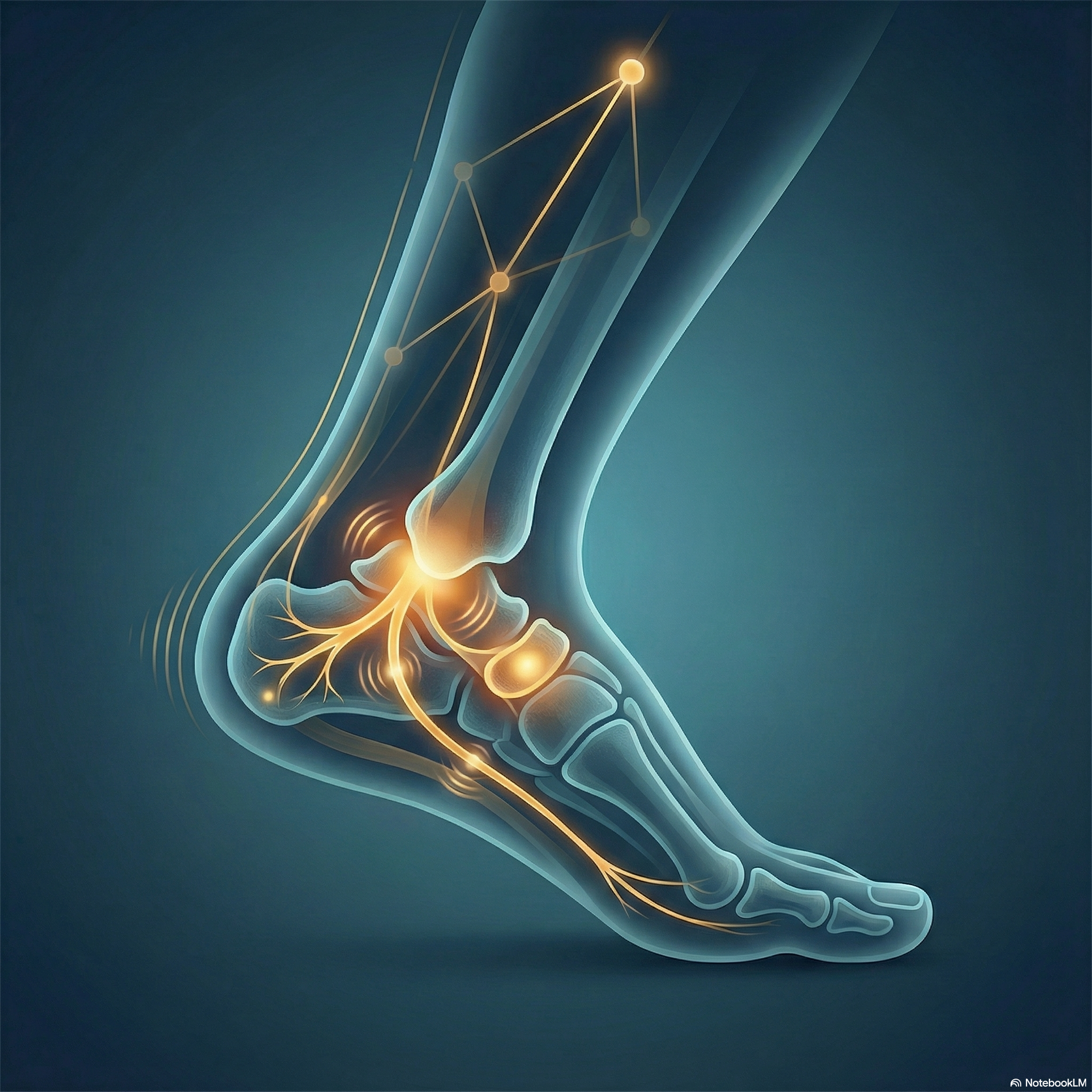
Most heel pain diagnosed as plantar fasciitis could actually be nerve entrapment—compression of the medial calcaneal or Baxter's nerve, not inflammation of the plantar fascia. This distinction changes everything about treatment.
In my San Diego practice, I see plantar fasciitis pain driven by bottom-up dysfunctions: navicular restrictions creating midfoot rigidity, failed gait rockers forcing heel compensation, great toe limitations causing prolonged heel loading, weak tibialis posterior forcing the fascia to support the arch, and tight posterior fascial chains from weak glutes creating tension all the way to the heel.
Acupuncture for plantar fasciitis addresses these upstream causes—motor points to restore weak muscles, trigger points to release nerve compression, channel theory to treat Spleen and Kidney deficiency. Assessment reveals your specific combination of pathways.
Read More
Acupuncture for Plantar Fasciitis in San Diego: Why It's Probably Nerve Entrapment
Most heel pain diagnosed as plantar fasciitis could actually be nerve entrapment—compression of the medial calcaneal or Baxter's nerve, not inflammation of the plantar fascia. This distinction changes everything about treatment.
In my San Diego practice, I see plantar fasciitis pain driven by bottom-up dysfunctions: navicular restrictions creating midfoot rigidity, failed gait rockers forcing heel compensation, great toe limitations causing prolonged heel loading, weak tibialis posterior forcing the fascia to support the arch, and tight posterior fascial chains from weak glutes creating tension all the way to the heel.
Acupuncture for plantar fasciitis addresses these upstream causes—motor points to restore weak muscles, trigger points to release nerve compression, channel theory to treat Spleen and Kidney deficiency. Assessment reveals your specific combination of pathways.
Read More
Dry Needling vs Acupuncture: What's the Difference for Athletes?
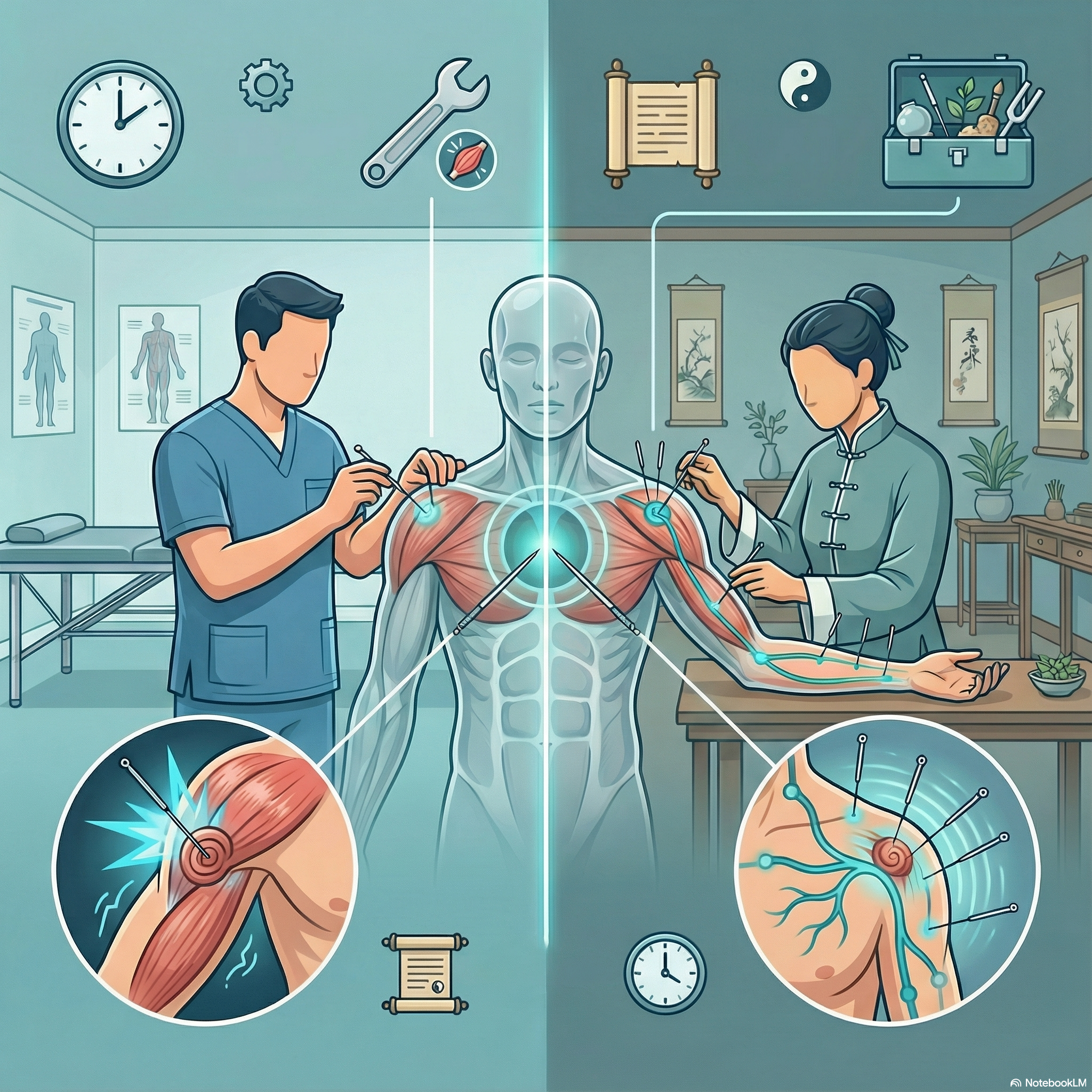
Dry needling vs acupuncture—what's the real difference for athletes? Here's what most people miss: dry needling isn't a separate practice from acupuncture. It's one specific technique (trigger point needling) that acupuncturists have been using for over 2,000 years under the name "Ashi point needling."
The real difference lies not in the needle itself, but in the practitioner's training, legal scope of practice, and comprehensiveness of treatment. In California, needle therapy requires acupuncture licensure, creating a collaborative model where physical therapists and acupuncturists work as teammates in athlete care.
This comprehensive guide breaks down the historical connection, training disparities (24-80 hours vs 3,000+ hours), the difference between trigger points and motor points, and how San Diego athletes benefit from sports medicine acupuncture that addresses both local symptoms and systemic recovery.
Read More
Achilles Tendonitis Treatment San Diego: The Calf Dysfunction Pathway
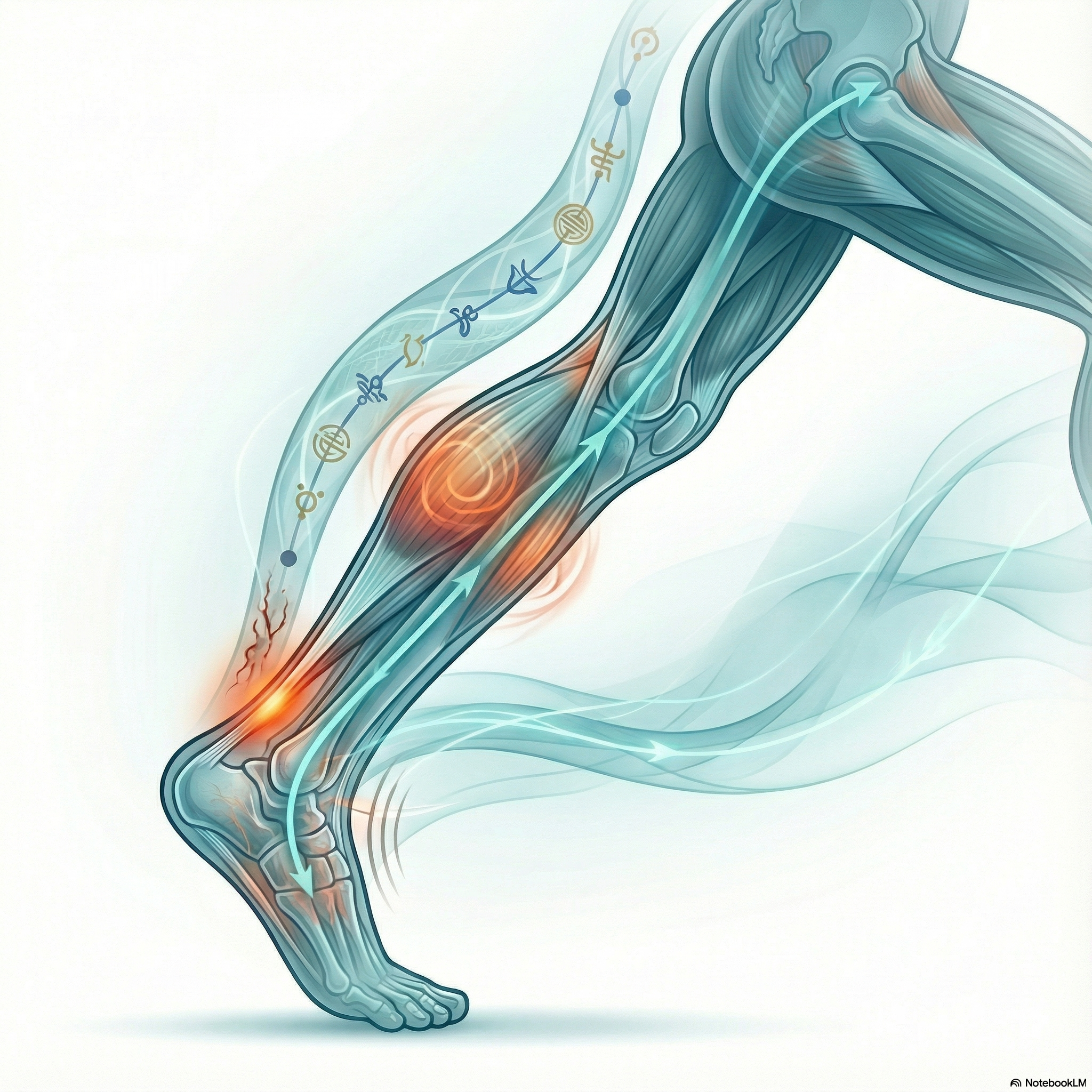
Chronic Achilles pain is rarely just an inflamed tendon—it's a symptom of upstream dysfunction. The Calf Dysfunction Pathway shows how restricted ankle mechanics and weak glutes force your calves to compensate with every step, creating tissue degeneration and failed healing. For San Diego runners dealing with achilles tendonitis that won't respond to rest and stretching, sports medicine acupuncture offers a different approach: addressing motor point dysfunction, trigger point referral patterns, and the complete posterior fascial chain (Bladder channel) from foot to glutes. Learn how acupuncture integrates Western biomechanics with Eastern medicine to treat the system, not just the symptom.
Read More
How Long Does Acupuncture Take to Work? The 3-Stage Recovery Timeline for Athletes
"How long does acupuncture take to work?" Every athlete asks this before starting treatment. After nine years treating athletes in San Diego, I've learned the right question isn't "how many sessions" but "what does my healing journey look like?" Your recovery follows three predictable stages—Relieve (15-40% improvement), Restore (75-100% improvement), and Elevate (maintain and optimize). While the stages are universal, your timeline is unique based on whether your injury is acute or chronic, your dedication between sessions, and what "healed" means to you. Understanding this framework shifts you from passive patient to active partner in your recovery.
Read More
IT Band Syndrome Acupuncture San Diego: Why Standard Treatments Fail
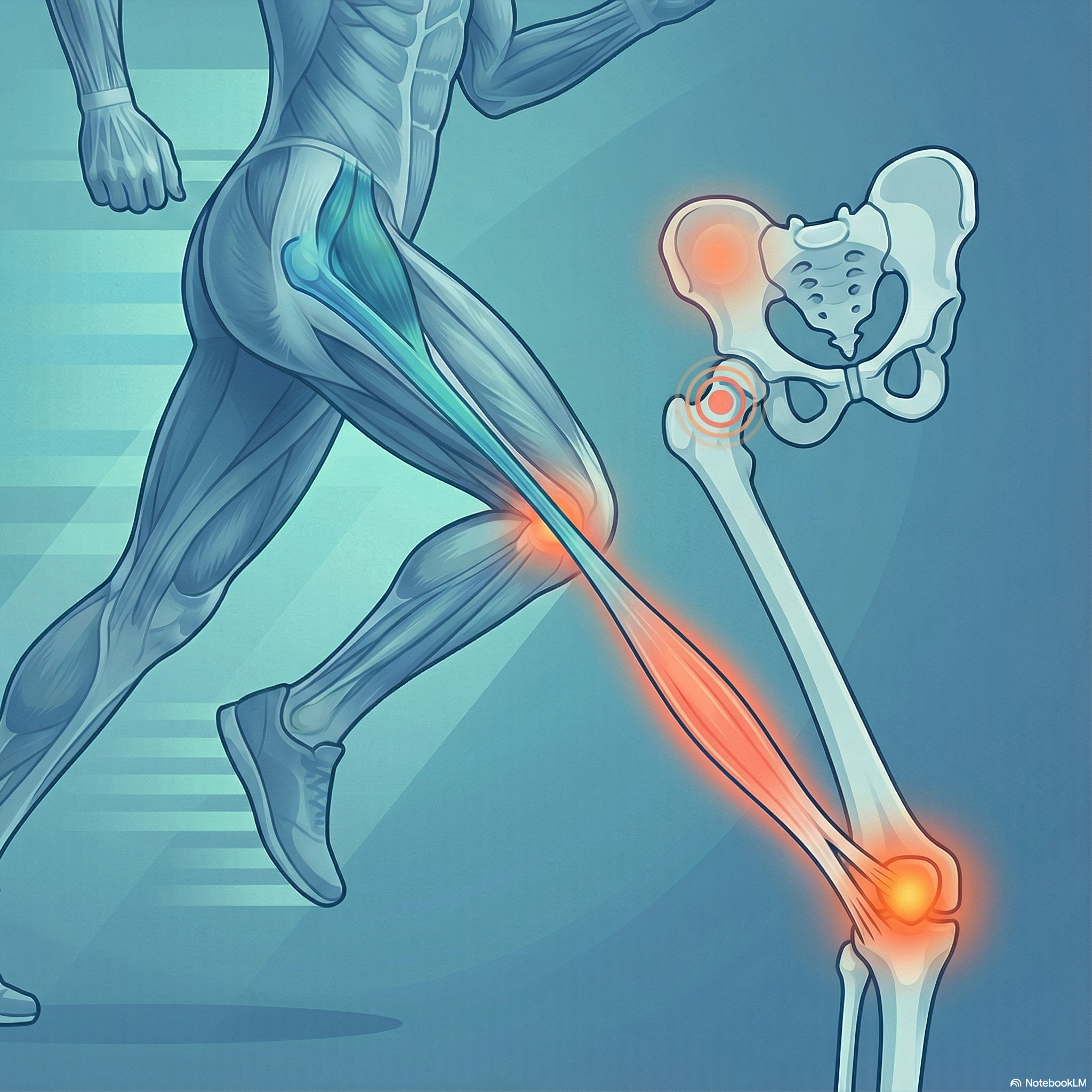
You know the pattern: lateral knee pain around mile 3-4 that forces you to stop by mile 8. You rest, foam roll, stretch—but the pain keeps returning. Here's why standard treatments fail: your IT band is the victim, not the villain. The pain signals massive overload from hip and pelvic dysfunction upstream. This post explores the four-step biomechanical cascade (pelvic asymmetry → hip rotation loss → cross-over gait → IT band overload) through both Western biomechanics and Eastern medicine perspectives. Learn why motor point acupuncture, trigger point release, and channel balancing address the root cause that foam rolling can't reach.
Read More
What to Expect in Your First Acupuncture Session
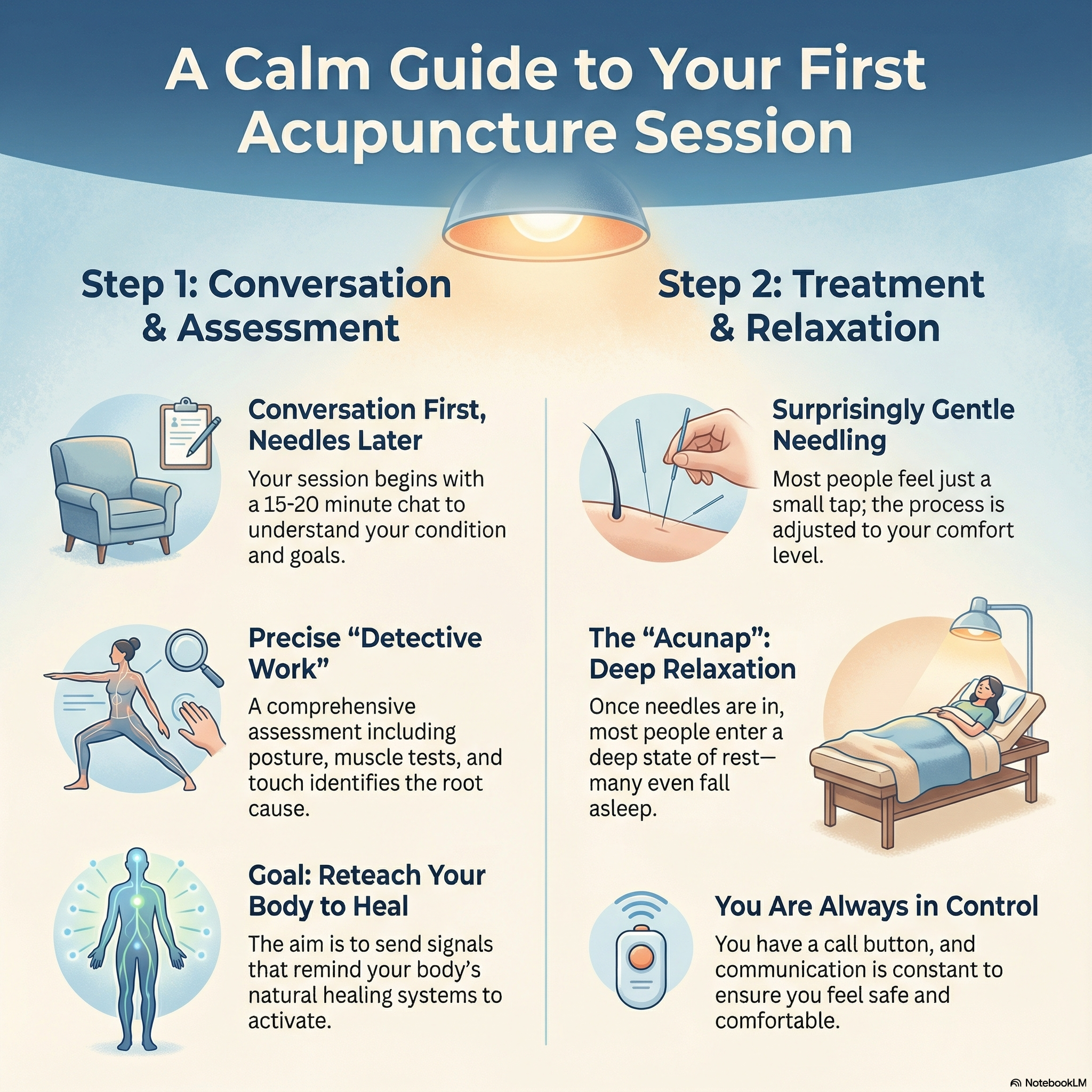
If you're an athlete considering acupuncture but feeling uncertain about the process, you're not alone. Most athletes are used to understanding their bodies and knowing what to expect from PT or massage, but acupuncture can feel like a black box. This comprehensive guide walks you through every step of a typical first acupuncture session at Funktion Acupuncture in San Diego—from the moment you book to what happens days after treatment. You'll learn why your session starts with conversation (not needles), what the comprehensive assessment involves, what sensations are normal during treatment, and why two out of three first-timers fall asleep during the "acunap" relaxation phase. The biggest barrier isn't the needles—it's the fear of the unknown. Let's remove that mystery.
Read More
Runner's Knee - Why Rest Alone Doesn't Work
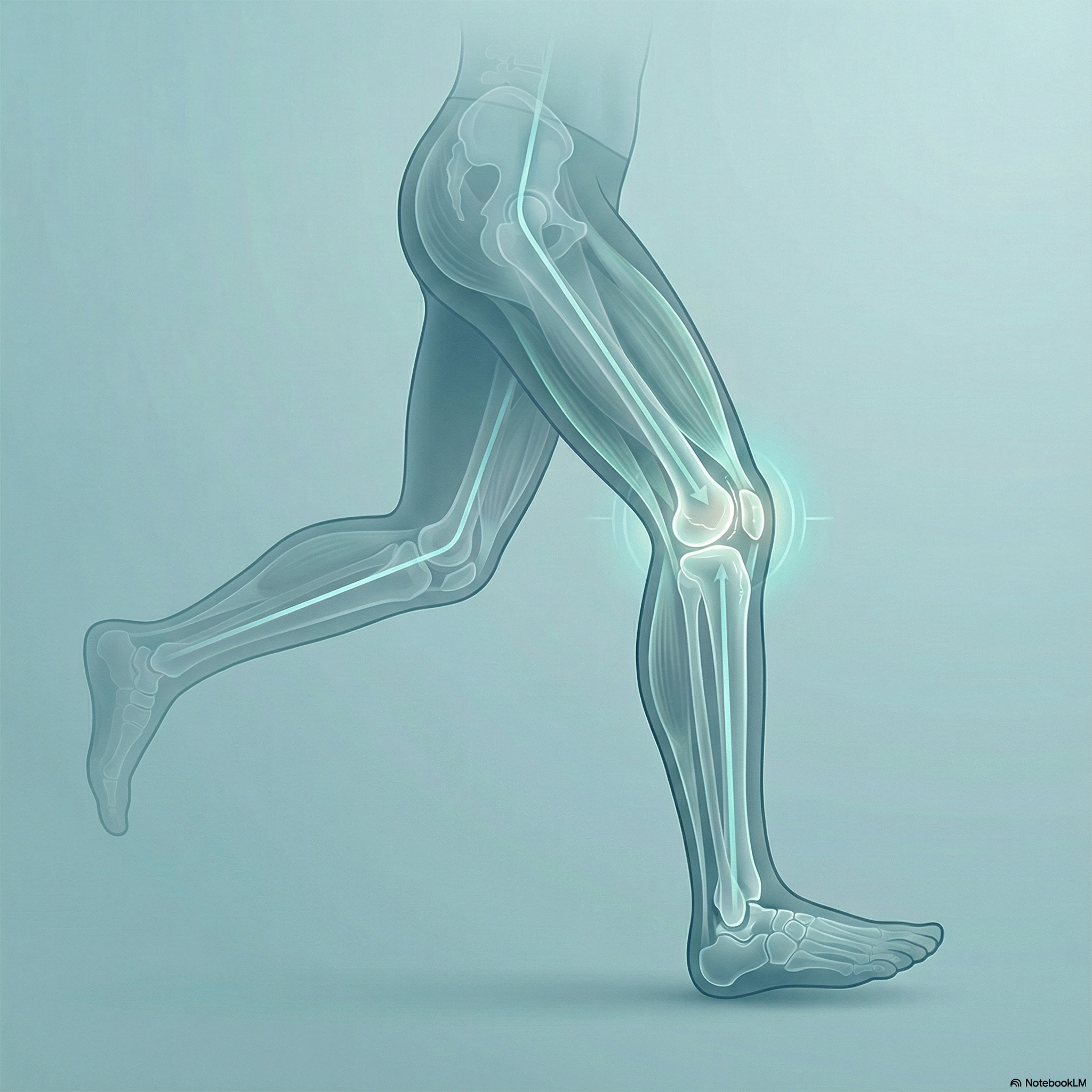
If you're a runner stuck in the maddening rest-resume-hurt cycle with knee pain, you're not alone. Rest addresses the inflammation, but not the root cause—which often comes from above (your hip) or below (your ankle). This kinetic chain dysfunction pattern explains why rest alone keeps failing.
Sports medicine acupuncture for runner's knee in San Diego takes a different approach: motor point retraining to wake up your VMO, trigger point release for the IT band, and channel balancing to restore medial-lateral equilibrium. Through comprehensive assessment, we identify whether this kinetic chain pattern is driving your pain or if other factors are involved.
Read More
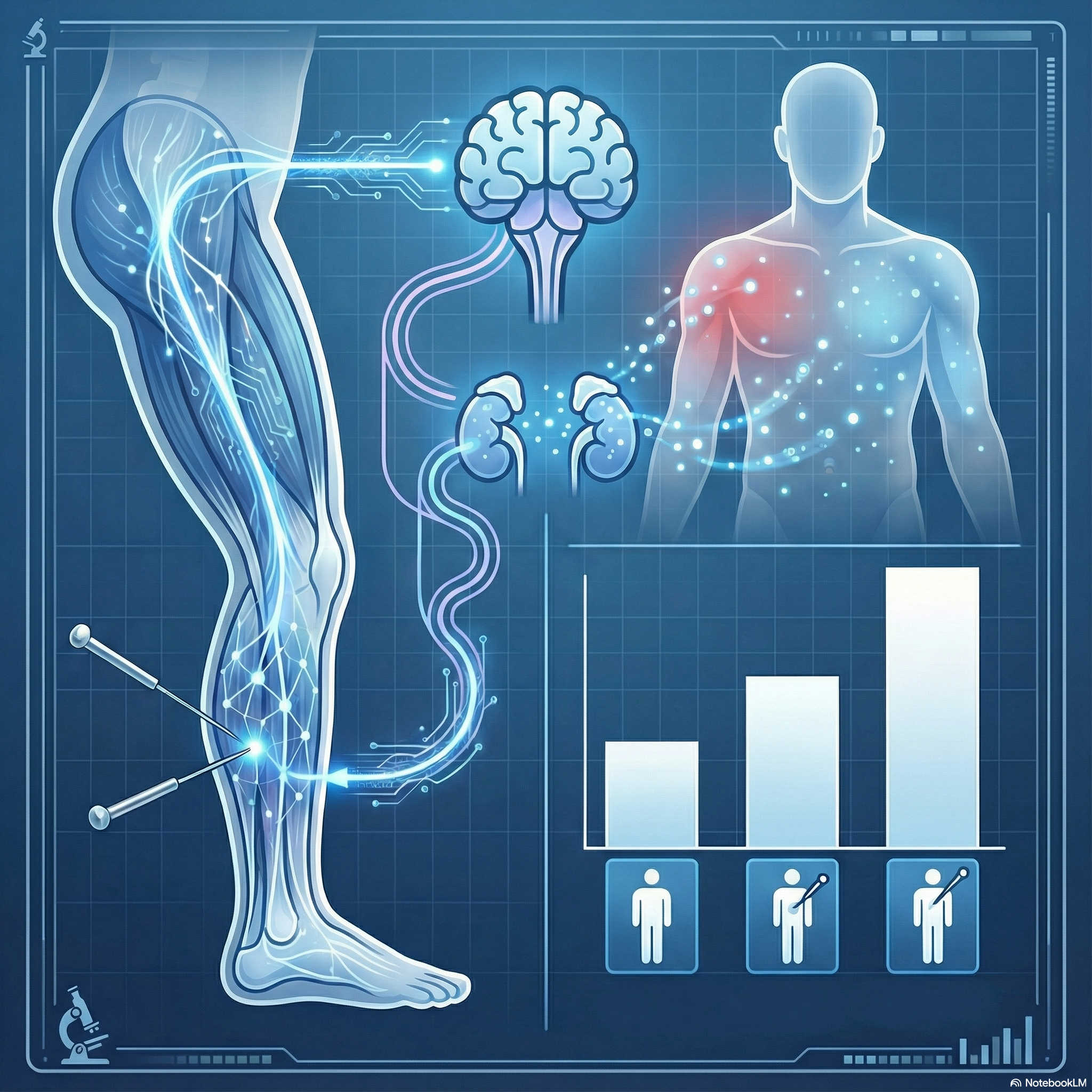
Do Acupuncture Needles Actually Hurt? The Science Behind the Sensation
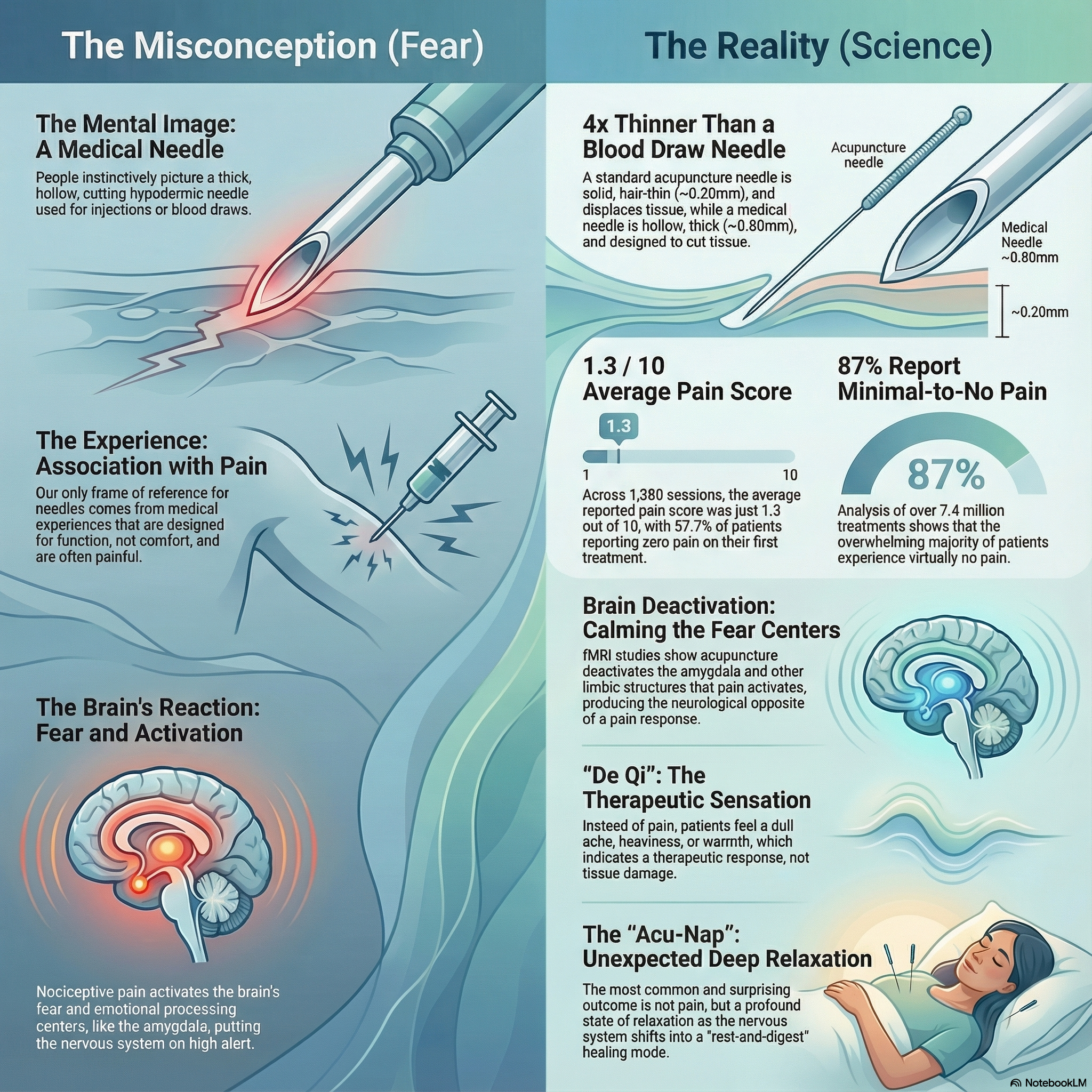
If you're an athlete considering acupuncture but worried about pain, the research is clear: the needle you're imagining isn't the needle being used. Studies tracking 7.4 million treatments show 87% of patients experience minimal to no pain, with average scores of just 1.3 out of 10. Acupuncture needles are 4 times thinner than blood draw needles and solid rather than hollow—designed to displace tissue, not cut it. They activate touch and pressure pathways that actually quiet your brain's fear centers rather than triggering them. Learn why the anticipation is almost always worse than the reality, what the therapeutic "de qi" sensation actually feels like, and what to expect during your first treatment.
Read More
Sports Medicine Acupuncture San Diego: What Makes It Different from Traditional Acupuncture and Western Sports Medicine
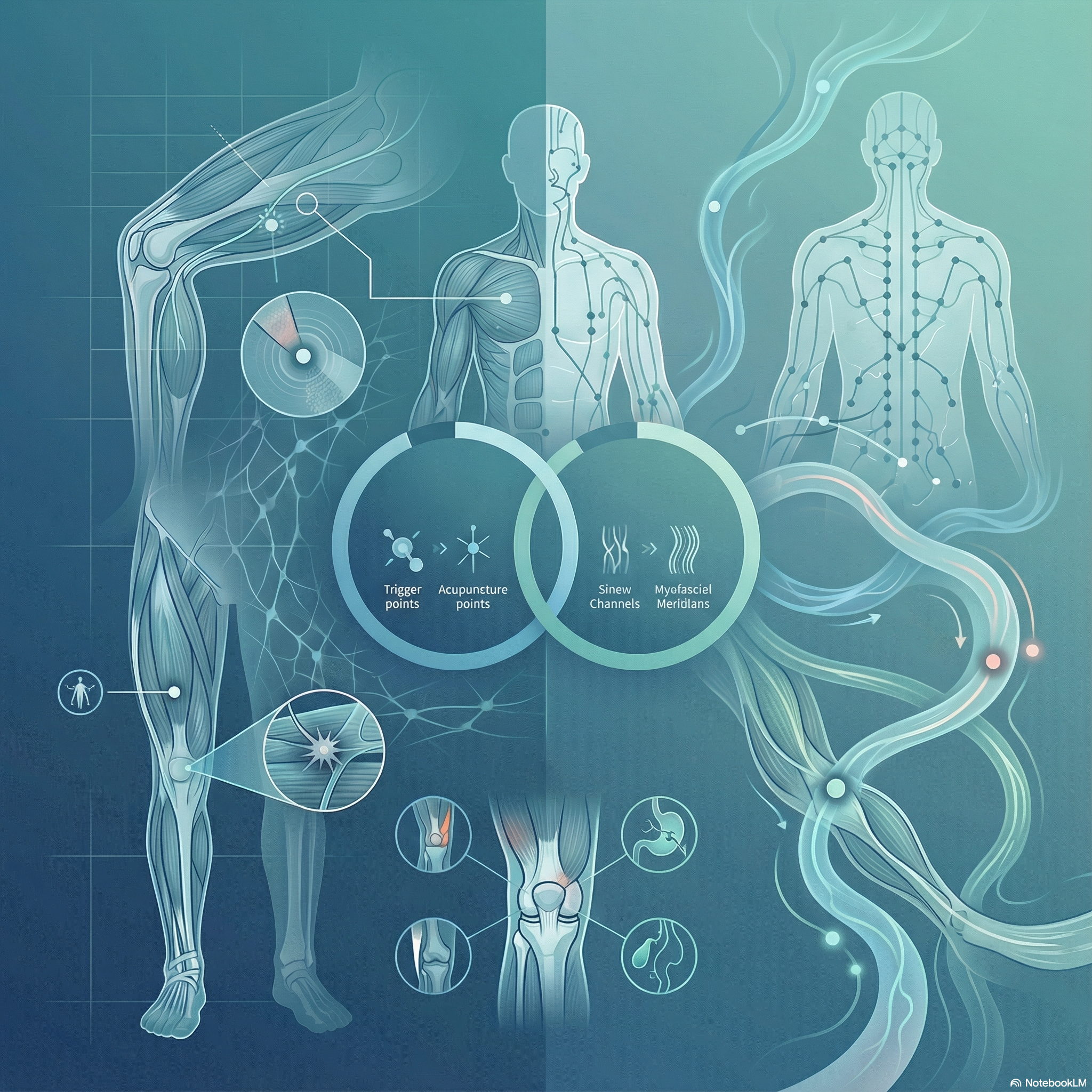
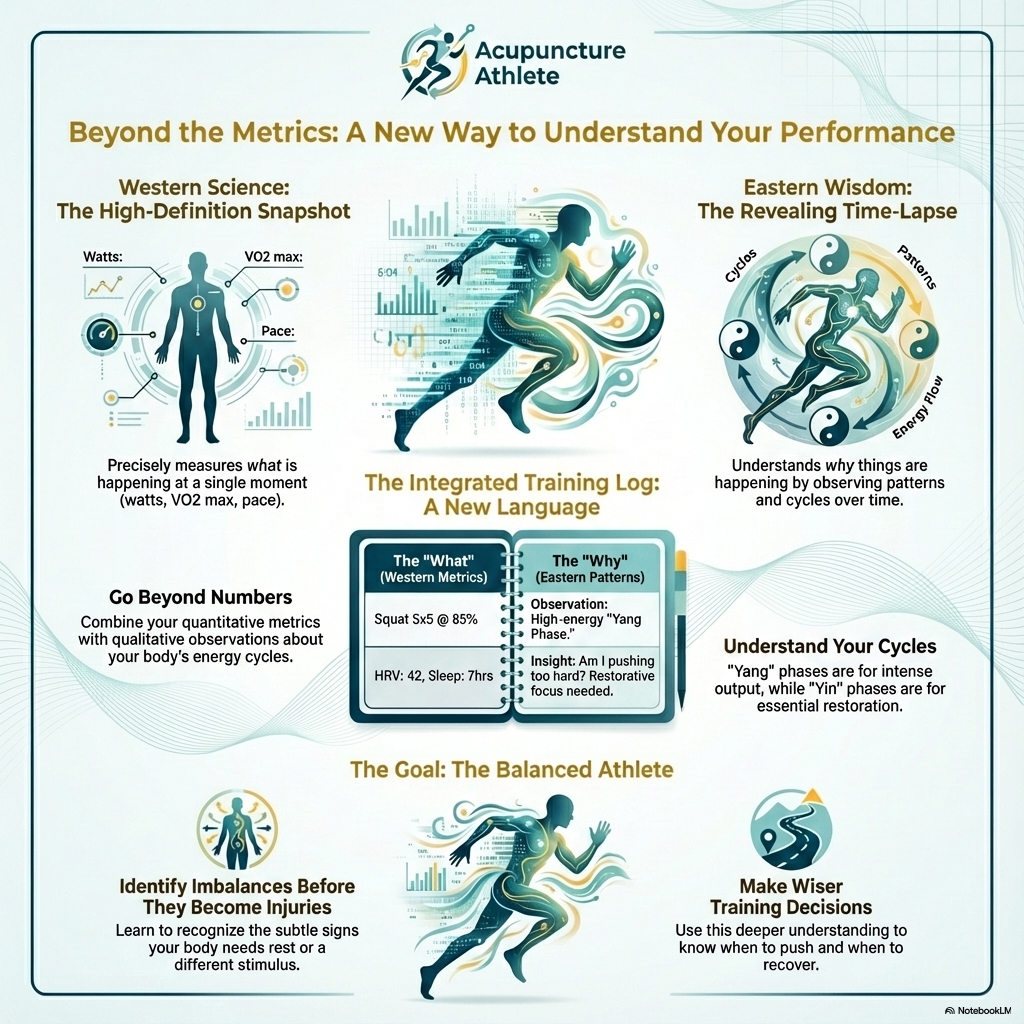
As an endurance athlete, you know the frustrating cycle: physical therapy helps temporarily, massage provides short relief, traditional acupuncture balances energy—but the injury keeps returning. Sports medicine acupuncture offers something different. This integrated approach combines Western anatomical precision (motor points, trigger points, orthopedic testing) with Eastern energetic wisdom (channel theory, Qi/Blood framework, sinew channels) to address both tissue dysfunction and systemic patterns simultaneously. Modern research validates this ancient wisdom: 89% overlap between sinew channels and myofascial meridians, 93.3% overlap between trigger points and classical acupuncture points. For athletes in San Diego seeking comprehensive treatment, this synthesis addresses what isolated approaches miss.
Read More
Are Acupuncture Needles Safe?
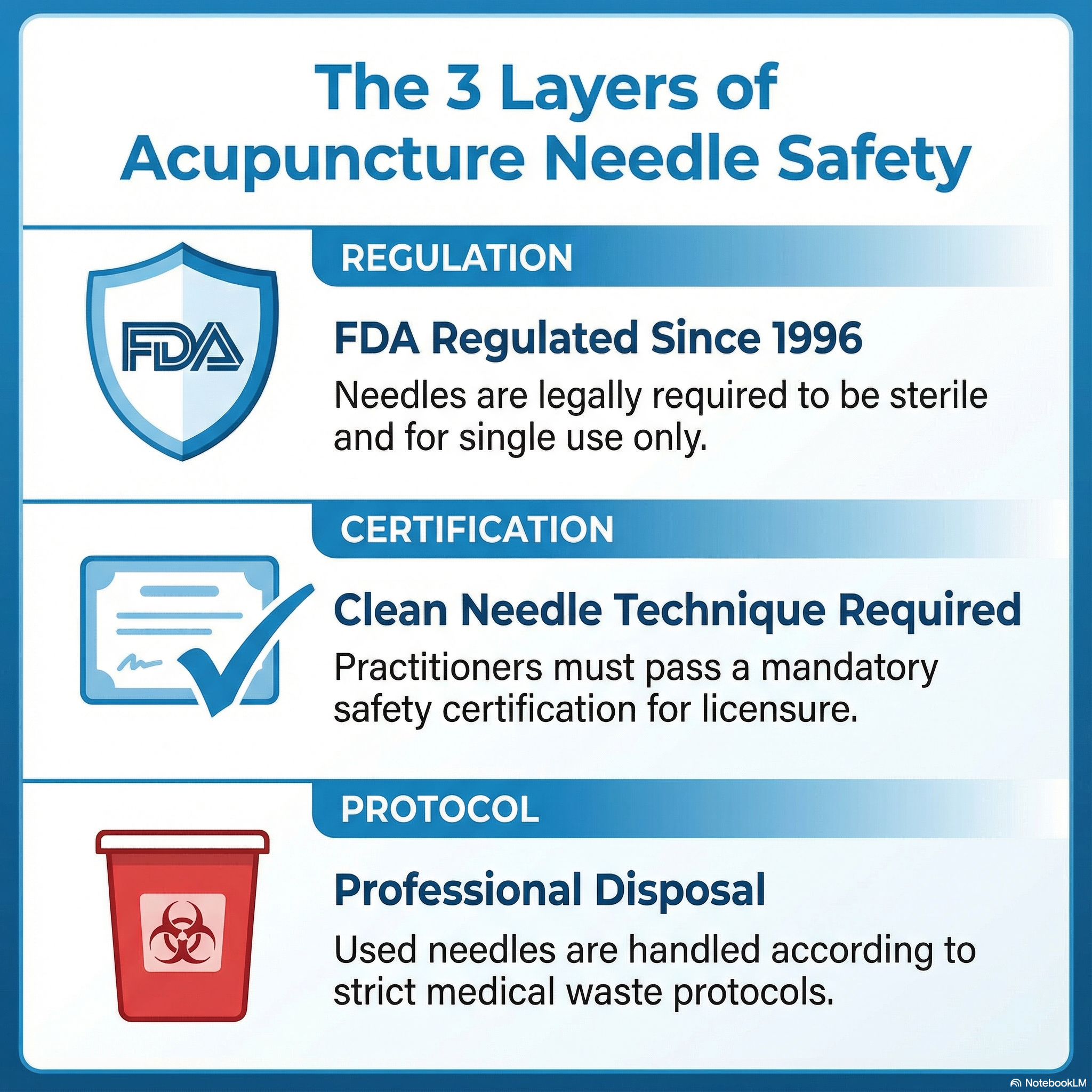
It's a fair question—one of the first things people ask before trying acupuncture. The idea of needles can be intimidating, and wanting to understand the safety protocols is completely normal. When performed by a licensed professional in the United States, acupuncture is remarkably safe. A 2021 review covering over 12.9 million treatments found that serious adverse events occur in only 1 in 10,000 patients. Here's what guarantees that safety: federal laws, mandatory professional training, and transparent in-clinic procedures you can see for yourself.
Read More
Does Acupuncture Hurt for Athletes? The Honest Answer
Worried about acupuncture pain? San Diego sports acupuncturist Mike Cohen walks you through exactly what sensations to expect, why some points feel "spicier" than others, and how your first treatment compares to a challenging workout. The honest guide for athletes.
Read More
The Real Reason Your Shin Splints Won't Heal (Hint: It's Your Hips)
You felt that familiar ache during mile three. You rested, iced, bought new shoes. The pain disappeared, then came roaring back by mile two of your next run. Sound familiar? Your medial shin splints probably aren't a shin problem at all - and that's exactly why rest and self-treatment keep failing.
Read More
What Acupuncture Feels Like - A Simplified Perspective
The first thing I need to bring up when it comes to acupuncture is the needles. It’s really the last thing people want to try or talk about because of their experiences with
Read More
Assessing Your Posture for Preventing Injuries & Maximizing Performance - The Glutes
The glutes, nicknamed for the gluteus muscles, are the power muscles of the hips for
Read More