How Long Does Acupuncture Take to Work? The 3-Stage Recovery Timeline for Athletes
In this blog post and video, I address the common question athletes have about recovery timelines after an injury. Instead of focusing on how long it will take, I propose a better approach: understanding the three predictable stages of healing—clearing the jam, fixing the root cause, and building resilience. Each stage has specific goals, from achieving 15% to 40% relief in stage one to aiming for 75% to 100% restoration in stage two. I emphasize that your personal timeline will vary based on whether your issue is acute or chronic and your dedication to the recovery process. I encourage you to actively participate in your healing journey, as this is an opportunity to build a stronger and more resilient version of yourself.
⏱️ TIMESTAMPS:
0:00 - The Timeline Trap: Why Athletes Ask the Wrong Question
0:47 - Shifting from "How Long?" to "What's the Process?"
1:29 - The Three Stages Framework: Your Recovery Roadmap
2:42 - Stage 1: Clearing the Jam (15-40% Relief)
4:01 - Stage 2: Fixing the Root Cause (75-100% Restoration)
5:35 - Stage 3: Building Resilience (Maintain & Elevate)
6:23 - What Affects YOUR Personal Timeline
7:12 - Breaking the Injury Cycle for Good
Stage 1: Relieve (15-40% Improvement) 2:42
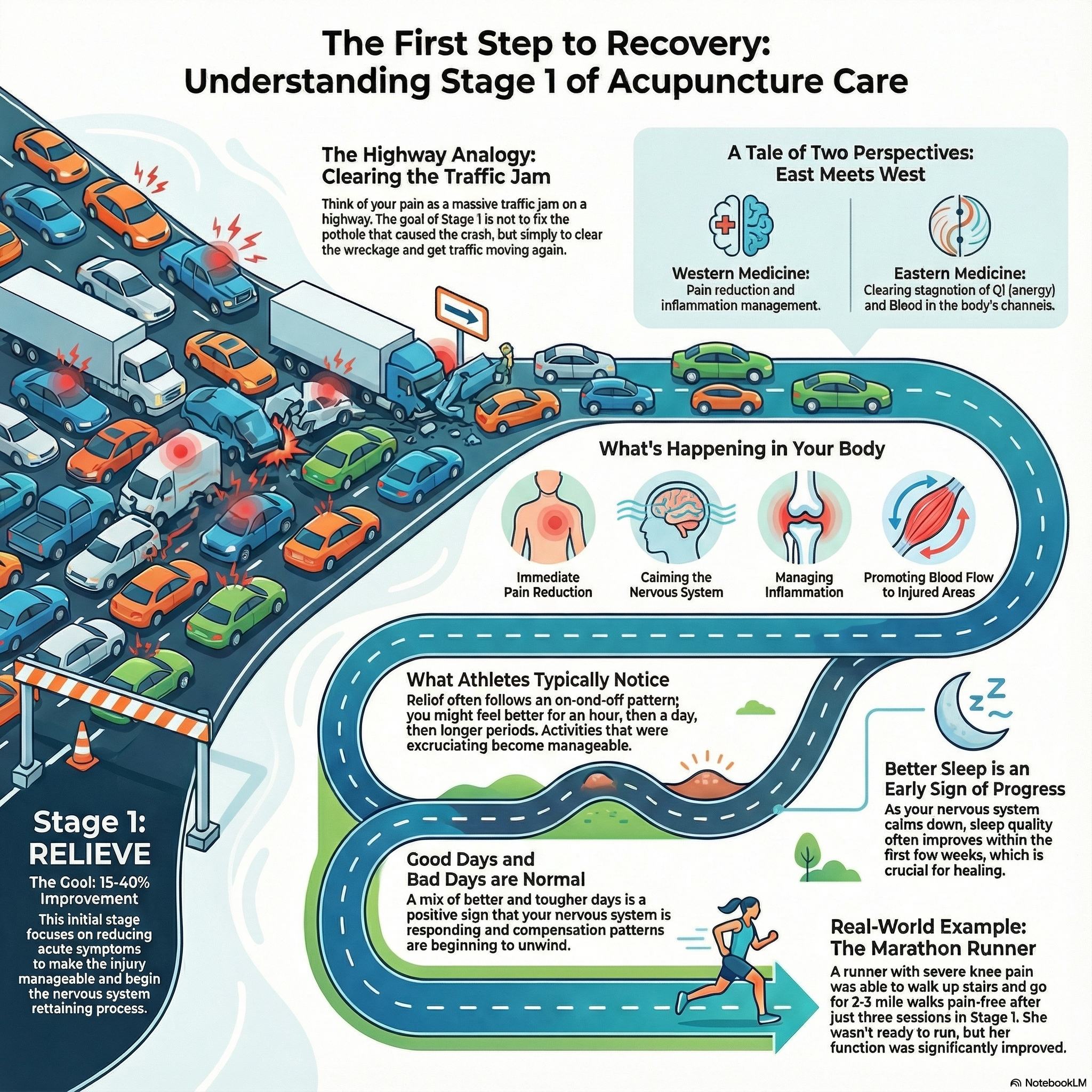
Think of Stage 1 like clearing a massive traffic jam on a highway. We're not fixing the pothole that caused the backup—we're just getting things moving again so your body can shift out of crisis mode. Western medicine focuses on pain reduction and inflammation management. Eastern medicine sees this as clearing acute stagnation—Qi and Blood aren't flowing properly through your channels. Both perspectives agree: you can't address root causes while acute pain dominates your entire nervous system.
Your immediate pain decreases as acute stagnation clears from affected channels
Sleep quality often improves as your nervous system calms (what Eastern medicine calls "Shen settling")
Activities that were excruciating become manageable—you start having "good days" mixed with "bad days"
That on-and-off relief pattern is normal and shows your body is responding to treatment
Goal: 15-40% improvement. Not full recovery yet—just enough relief that your body can begin the deeper work of retraining and restoration.
Stage 2: Restore (75-100% Improvement) 4:01
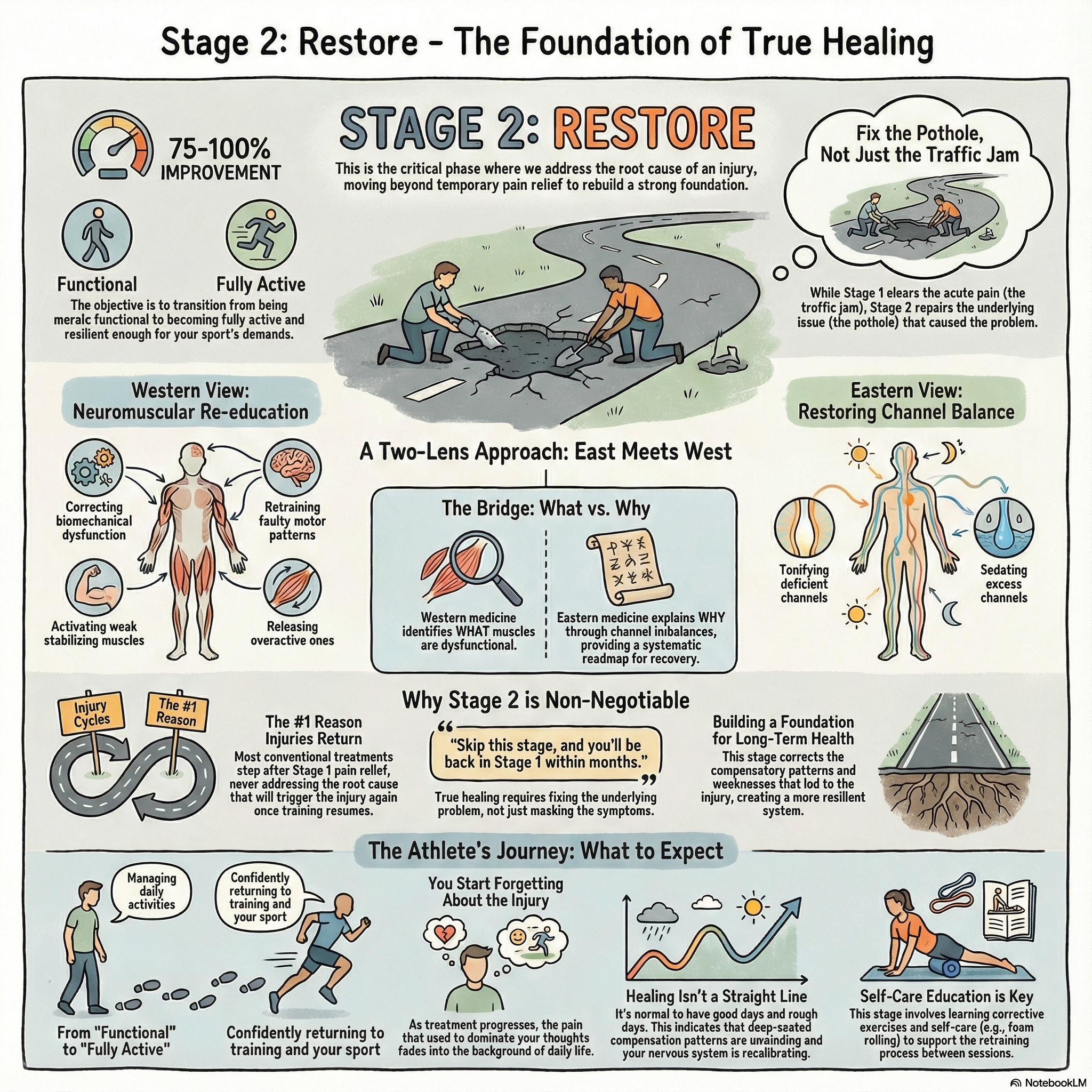
Now we find and fix that pothole. This is where most conventional treatment stops—you get pain relief, you're told to rest, and you're sent back to training. But the underlying dysfunction is still there, which is why injuries return. Stage 2 addresses the root biomechanical patterns and channel imbalances that created your injury in the first place. Western medicine calls this neuromuscular re-education—retraining weak muscles and correcting dysfunctional movement patterns. Eastern medicine sees it as restoring balance to your entire channel system—tonifying deficient channels (like Spleen or Kidney that govern medial stability) and releasing excess channels (like Gallbladder or IT band tension).
Motor patterns get retrained at the nervous system level—muscles learn to fire properly again
Tight, overactive muscles finally release as excess tension clears from their channels
Weak stabilizers activate and strengthen as we tonify deficient pathways with targeted motor point work
Root causes get addressed—whether that's foot mechanics, hip weakness, or pelvic dysfunction
As treatment progresses over weeks, you go from "functional" to "fully back to activities." The pain that used to dominate your thoughts fades into the background. You start thinking about returning to training—not if, but when.
This stage is crucial: Skip it, and you'll be back in Stage 1 within months. Motor retraining takes time and varies based on how long you've had the pattern and what you do between sessions.
Stage 3: Elevate (Maintain & Maximize) 5:35
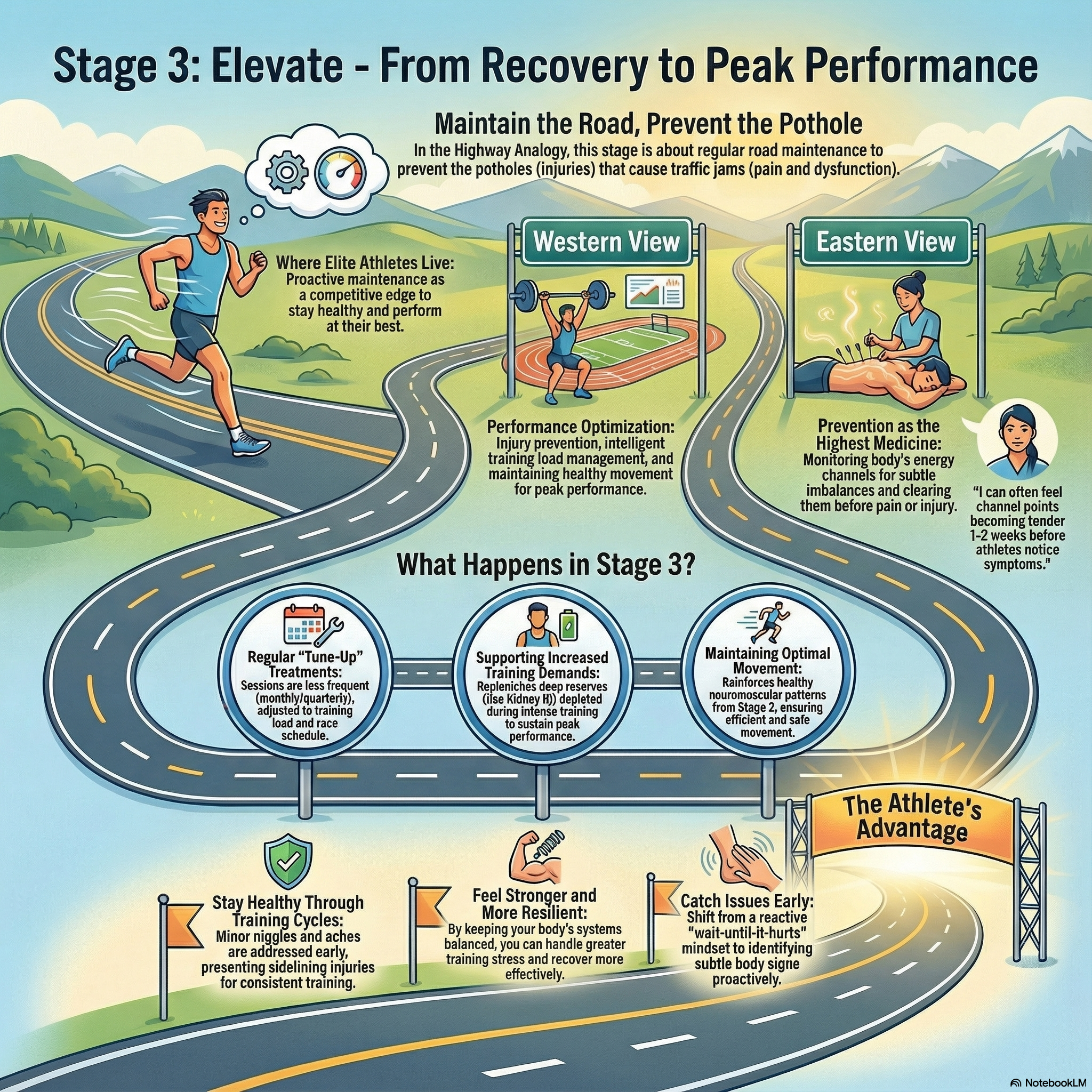
The pothole is fixed, the road is smooth—now it's about smart maintenance so it never happens again. Stage 3 is where elite athletes live. They don't wait until they're injured to work on their bodies—they maintain optimal function as part of their competitive edge. Eastern medicine considers this prevention the highest form of practice: catching subtle channel imbalances weeks before they'd show up as pain. When I treat athletes in Stage 3, I can often feel channel points becoming tender 1-2 weeks before they'd notice symptoms. We clear these early imbalances before they progress to injury.
Monthly or as-needed tune-ups keep you performing at your best
Minor niggles don't escalate into injuries—you catch them when they're whispers, not screams
Training load increases and race season demands are supported without breaking down
You develop a heightened awareness of your body's signals and needs
Think of Stage 3 like this: you wouldn't skip oil changes and tire rotations just because your car runs fine today. Your body deserves the same proactive care, especially when you're asking it to perform at a high level week after week.
Questions about what YOUR specific recovery journey would look like? I offer complimentary 20-minute assessments at my San Diego practice where we can map out your starting point, your goals, and create a realistic roadmap for your unique situation. No pressure, no surprises—just honest answers about your path from where you are now to where you want to be.
What Affects YOUR Timeline 6:23
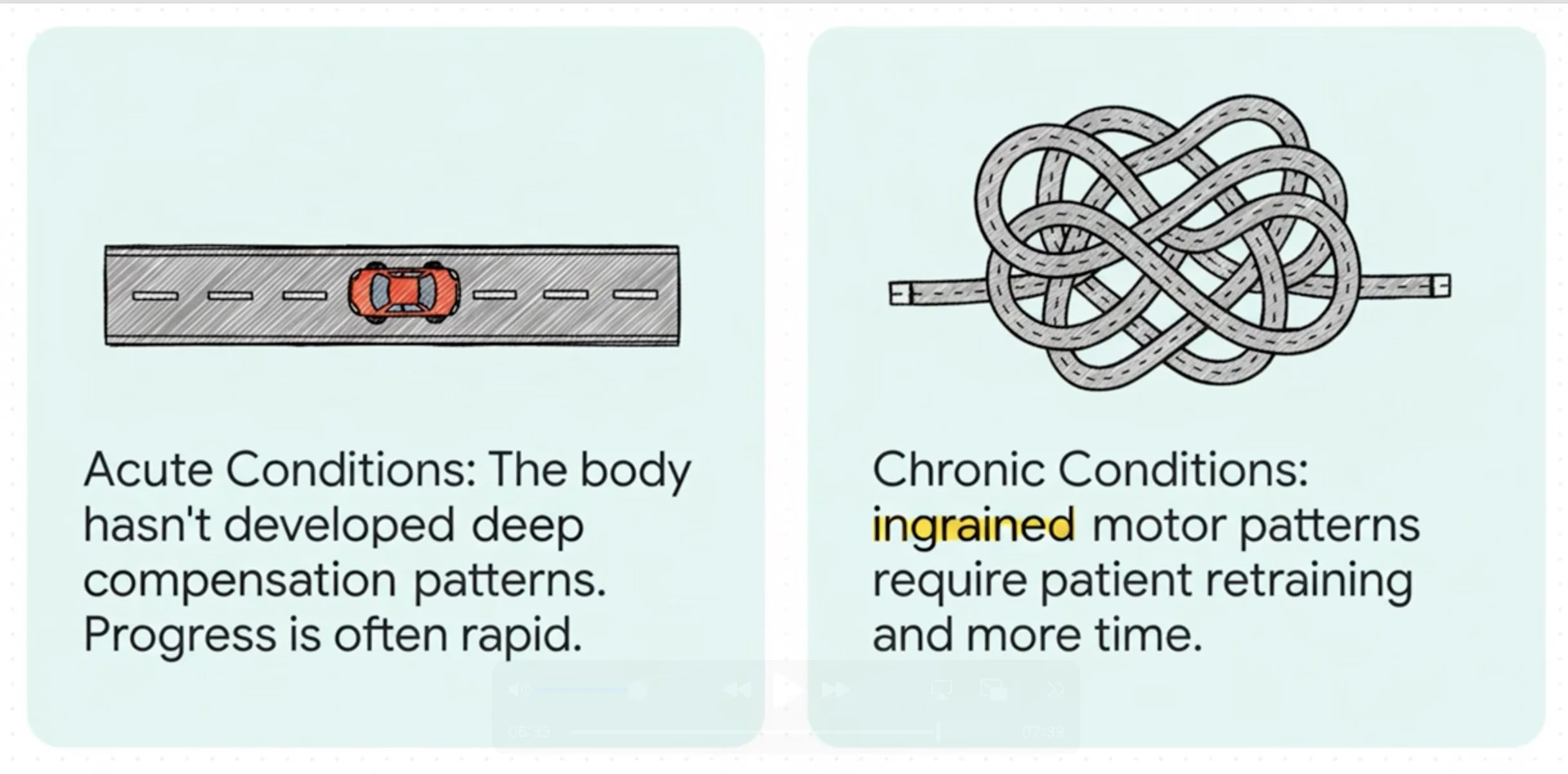
The stages are predictable, but how long you spend in each one? That's unique to you. Acute injuries—like that ankle sprain from last week—often respond quickly because your body hasn't developed complex compensation patterns yet. You might move through Stages 1 and 2 relatively fast. But a two-year-old shoulder problem is different. We're not just clearing a jam—we're retraining deep-seated movement habits your body has been using for years, and that takes patience.
Here's the variable you control completely: your dedication. This isn't magic—it's a partnership. Athletes who heal fastest are the ones who come consistently, do their corrective exercises between sessions, trust the process even when improvement isn't linear, and communicate openly about what they're feeling. You're an active, crucial participant in your own recovery.
How Long Does Acupuncture Take to Work? The 3-Stage Recovery Timeline for Athletes
"How long does acupuncture take to work?" This is the first question nearly every athlete asks. I get it. When you're injured and can't do what you love, you want a clear plan. You want to know, "Am I looking at 3 sessions or 3 months?" You want a finish line.
But here's what I've learned after nine years of practice and thousands of treatments: asking "how long will acupuncture take" misses the bigger picture. A better question—the one that actually empowers your recovery—is: "What does my acupuncture healing journey look like?"
This shifts the focus from a passive timeline to an active partnership in your own healing. While every athlete's timeline is unique, the process itself is remarkably predictable. Your body is intelligent. It knows how to heal. Understanding how acupuncture works through three distinct stages—Relieve, Restore, and Elevate—is the key to navigating your recovery with confidence, knowing where you are and what to expect next.
Why "How Long Does Acupuncture Take" Is the Wrong Question
Asking "how long does acupuncture take to work?" is like asking a coach "how long till I'm fast?" without providing any context about your current fitness, your goals, or your commitment. The answer, of course, is "it depends."
How long acupuncture takes for you depends on several key factors entirely unique to your situation: whether your injury is acute or chronic, your goals, your dedication between sessions, and your body's individual response. We'll explore these in detail later.
While your acupuncture treatment timeline will always be your own, the process is universal. Every athlete progresses through the same three stages. Shifting your focus from counting sessions to understanding this process is the first step toward a more effective and sustainable recovery.
The 3 Stages That Determine How Long Acupuncture Takes
Understanding these three stages provides a clear map for your journey. Each stage has a specific goal, builds on the one before it, and bridges Eastern and Western medical perspectives to give you a complete picture of your body's progress.
Stage 1 - Relieve (15-40% Improvement)
This first phase is all about creating space for healing to begin. From a Western perspective, we're focused on pain reduction and inflammation management. In Eastern medicine, we describe this as clearing acute Qi and Blood stagnation—the blockages in your body's channels that cause pain.
Think of it like a major traffic jam on the highway. Our initial job isn't to fix the pothole that caused the accident; it's to clear the wreckage and get traffic moving again.
During this stage, athletes typically notice a reduction in their primary symptoms. Relief might last for a few hours at first, then a full day, then longer. This on-and-off pattern is completely normal and shows your nervous system is responding. You'll likely experience better sleep and find that daily activities become more manageable.
The goal here is 15-40% improvement, creating enough relief to move on to addressing the root cause. How long this takes varies based on how long you've had the condition and your body's unique healing capacity—some athletes notice significant changes within the first few treatments, others need more time.
Stage 2 - Restore (75-100% Improvement)
This is the most crucial stage, where we shift from temporary relief to lasting change. In my San Diego practice, I've seen this pattern repeatedly: most conventional treatment fails because it stops at Stage 1, which all but guarantees re-injury when you return to training.
In the Restore phase, we address the why behind the injury. Western medicine sees this as neuromuscular re-education—correcting the dysfunctional motor patterns that led to the problem. Eastern medicine explains why those patterns exist through channel imbalances, allowing us to systematically restore balance to the entire body.
A tight IT band isn't just a tight muscle (Western view); it's often a sign of excess in the Gallbladder channel (Eastern view), which gives us a roadmap to fix it. This is where our sports medicine acupuncture approach really shines—we're not just treating the symptom, we're correcting underlying issues like chronic compensation patterns in conditions like runner's knee to build long-term resilience.
Our highway analogy continues: now that traffic is moving, we can go in and fix the pothole that caused the jam in the first place.
As treatment progresses over weeks, you'll move from feeling "functional" to feeling "fully active." You'll start forgetting about the injury during the day. The pain that used to dominate your thoughts fades into the background. You're thinking about returning to training—not if, but when.
The goal in this phase is 75-100% improvement, restoring your body's natural function and balance. Motor retraining takes time and varies for everyone based on how long you've had the pattern and what you do between sessions. Some athletes progress quickly; others need more patience. This is why a simple answer to "how many acupuncture sessions do I need" is impossible without understanding your specific situation.
Stage 3 - Elevate (Maintain & Maximize)
The final stage is about shifting from reactive care to proactive health. From a Western viewpoint, this is performance optimization and injury prevention. In Eastern medicine, we call this the highest form of medicine: prevention. We focus on catching subtle imbalances before they ever become symptoms.
To finish our analogy, the pothole is fixed and the highway is smooth. Stage 3 is the regular road maintenance that checks for cracks and prevents future traffic jams before they ever start.
This is the stage where elite athletes live. They don't wait for an injury to seek treatment; they use acupuncture proactively to support demanding training loads and gain a competitive edge.
In my practice, I can often feel channel points becoming tender 1-2 weeks before athletes notice symptoms. By addressing these early-stage imbalances, we prevent minor issues from becoming major setbacks. I use these stages in my own marathon training—staying in Stage 3 means those minor niggles don't become injuries that sideline me for weeks.
Treatment frequency here is based on your individual needs and training load, often looking like monthly tune-ups during heavy training blocks or as-needed during lower volume periods.
A Deeper Look at the 3-Stage Acupuncture Timeline
I walk through this three-stage framework in detail in this video, including what each stage looks like from both Eastern and Western medicine perspectives:
What Determines How Long Acupuncture Takes for You
The three stages are predictable, but how long you spend in each one is unique to you. Here are the primary factors that influence how long acupuncture takes to work in your specific case:
Acute vs. Chronic Conditions: A recent injury, like an ankle sprain from last week's run, often responds quickly because your body hasn't had time to develop deep compensation patterns. You might move through Stages 1 and 2 relatively fast. A chronic issue, like shoulder pain you've had for two years, requires more patience as we retrain motor patterns that have become deeply ingrained. This is the single biggest factor affecting how many acupuncture sessions you'll need.
Your Dedication and Compliance: Healing is a partnership, not a passive fix. The athletes who see results fastest are the ones who understand this isn't a quick fix—it's a process. They come consistently, do their exercises between sessions, communicate openly, and trust the journey. This is the variable you control completely, and it significantly impacts your acupuncture treatment timeline.
Your Goals: Your definition of "healed" sets the target for your treatment plan. A goal of being able to walk the dog pain-free requires a different depth of work than a goal of being ready to race a triathlon and set a new PR. Understanding how long acupuncture takes requires clarity on what "better" means to you.
Individual Variability: Everyone's body is different. Your body has a unique healing capacity and history. It's crucial to remember that healing isn't linear—setbacks are normal and don't mean treatment isn't working. They're part of the process of unwinding long-held patterns.
Understanding Your Personal Acupuncture Timeline
The only way to understand how long acupuncture will take for your specific situation is through a professional assessment. This first step allows us to map out where you are now, where you want to go, and what a realistic journey looks like for you.
After nine years treating athletes in San Diego, I've seen firsthand that this initial clarity is the most powerful tool an athlete can have at the start of their recovery. The goal is to provide you with honest answers about your acupuncture treatment timeline in a no-pressure environment so you can make an informed decision.
The Answer to "How Long Does Acupuncture Take to Work"
The path to recovery follows three predictable stages: Relieve, Restore, and Elevate. While the process is consistent, how long acupuncture takes is always individual. Understanding this framework empowers you to shift your mindset from asking "how many sessions will I need?" to actively participating in the process of your own healing.
This change in perspective is the key to not just recovering from an injury, but building a stronger, more resilient version of yourself. Use the injury as an opportunity—catch the patterns early, address the root causes in Stage 2, and learn to live in Stage 3 where elite athletes maintain their competitive edge.
If you're ready to understand your specific acupuncture timeline and get honest answers about your journey, I invite you to schedule your complimentary consultation.
This content was created with AI assistance (Claude AI & Google NotebookLM) and inspired by comprehensive patient experience documentation and clinical practice insights. All clinical perspectives and Eastern medicine explanations are from Michael Cohen, LAc, practicing sports medicine acupuncture in San Diego at Funktion Acupuncture.