Dry Needling vs Acupuncture: What's the Difference for Athletes?
In this blog post and video, I clarify the differences between dry needling and acupuncture, emphasizing that they target the same muscle points but come from different medical traditions. I explain that dry needling is a specific technique used by physical therapists, while acupuncture encompasses a broader approach to healing, including retraining muscle connections and addressing overall health. I highlight the importance of practitioner training, noting that licensed acupuncturists undergo extensive education compared to physical therapists who may only take a short course in dry needling. I encourage you to ask key questions when seeking treatment, such as the practitioner's training hours and their approach to your overall health. Ultimately, I want you to consider whether your treatment plan addresses the root cause of your issues or just the symptoms.
⏱️ TIMESTAMPS:
0:00 - The Confusion: Same Needle, Different Names
0:47 - The Truth: Dry Needling IS Acupuncture
1:15 - Historical Connection: Ashi Points to Trigger Points
2:22 - Scope Difference: One Tool vs. Complete Toolkit
3:05 - Motor Points: The Neuromuscular Component
3:39 - Training Standards: Weekend Course vs. Graduate Degree
4:40 - California's Position: Why Regulation Matters
5:12 - Collaboration in Action: Real Patient Example
6:07 - Making Informed Choices: Questions to Ask
7:06 - Root Cause vs. Symptom Chasing
The Truth: Dry Needling IS Acupuncture [0:47]
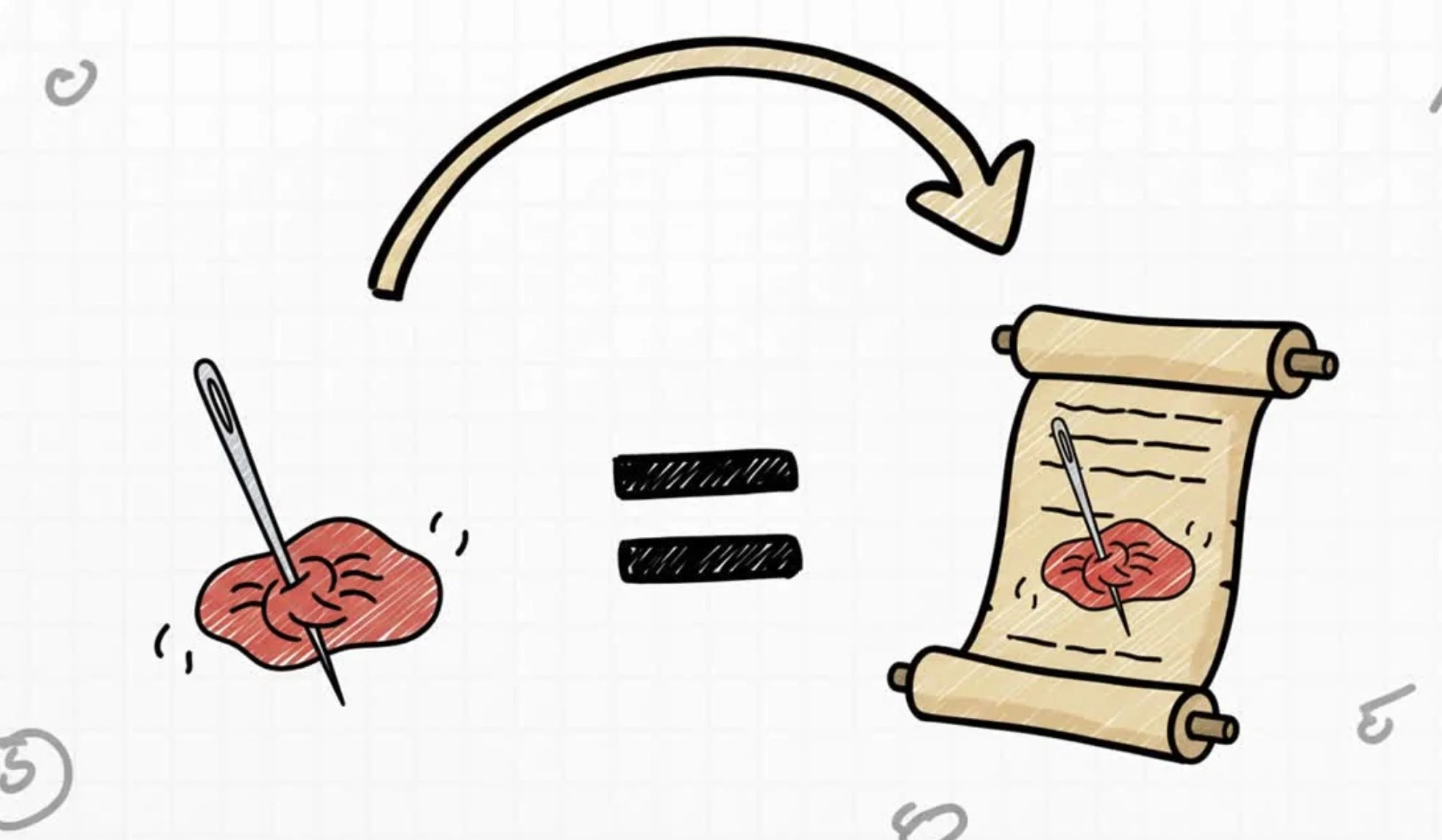
Here's what most athletes don't realize: dry needling isn't some brand new medical discovery separate from acupuncture. It's the modern Western name for a technique acupuncturists have been using for over 2,000 years - trigger point needling, which traditional Chinese medicine called "Ashi point" treatment.
Ancient Chinese physicians (1st century BCE) identified tender muscle spots patients called "Ashi" - "Ah yes, that's the spot!"
Dr. Janet Travell rediscovered these same spots in the 1940s and named them "myofascial trigger points"
Same anatomical locations, same needling technique, different theoretical frameworks for explaining why it works
The debate over terminology is partially about professional boundaries, not whether the technique is effective
The historical truth: two medical traditions separated by 2,000 years discovered the same anatomical reality about tender points in muscles that respond to needling.
Scope Difference: One Tool vs. Complete Toolkit [2:22]
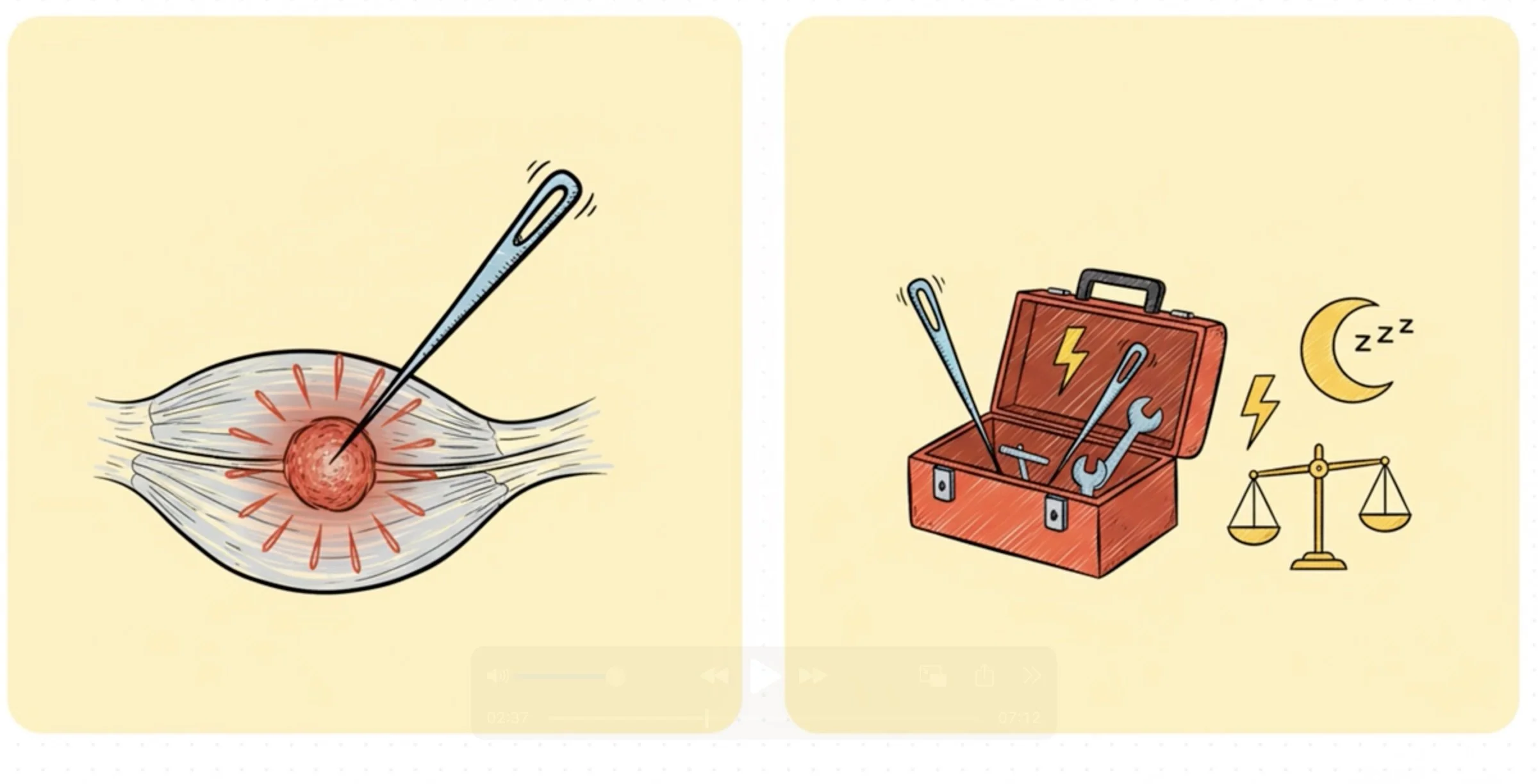
The real difference isn't the needling technique itself - it's the practitioner's scope of practice and what else they provide alongside trigger point work.
Dry needling (as practiced by PTs): Focuses specifically on releasing trigger points (muscle knots) as one component of physical therapy's core expertise in movement and rehabilitation
Acupuncture: Includes trigger point needling PLUS motor point retraining, channel balancing, and systemic support for recovery, sleep, stress, and overall healing capacity
Think of it this way: Dry needling is one specific tool extracted from acupuncture's comprehensive toolkit
Integration matters: Many athletes benefit from BOTH - PT handles movement mechanics, acupuncturist provides comprehensive needling and systemic treatment
This isn't about declaring one approach superior - it's about understanding that dry needling is one technique within acupuncture's broader scope.
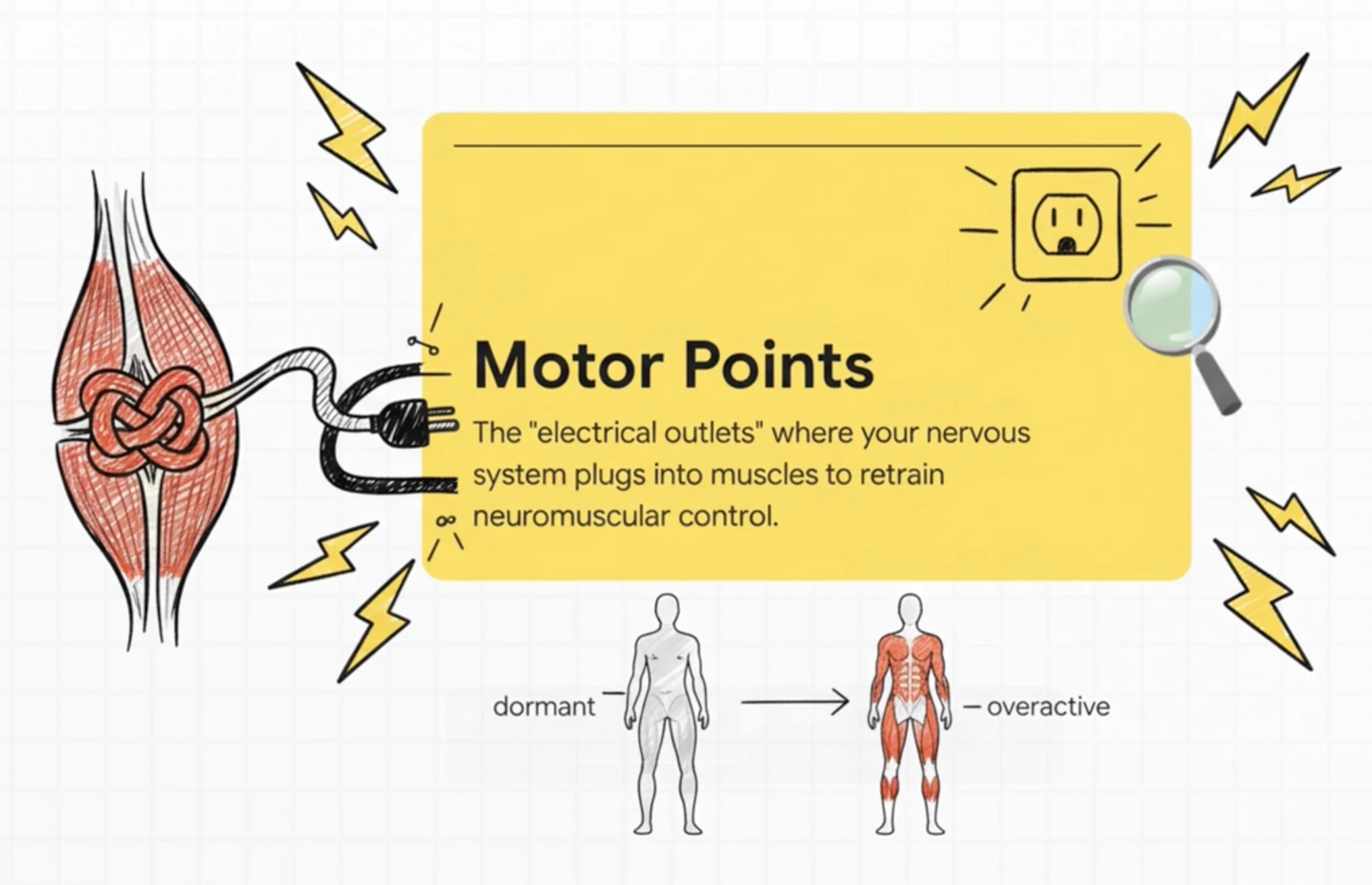
Motor Points: The Neuromuscular Component [3:05]
Here's a critical distinction most athletes don't know about: trigger points and motor points are different anatomical features requiring different treatment approaches.
Trigger points: Pathological muscle knots that refer pain to distant areas - what dry needling targets
Motor points: Normal anatomical locations where nerves enter muscles to control firing - can become dysfunctional (won't activate or won't relax)
Comprehensive acupuncture addresses both: Releases trigger point knots AND retrains motor control at the neuromuscular level
Example - Runner's Knee: Dry needling releases IT band trigger points; acupuncture also retrains VMO motor point (activate shut-off muscle) and VL motor point (calm overactive muscle) with e-stim
Motor point work goes deeper than muscle release - it retrains your brain-to-muscle connection at the source of dysfunction.
California's Position: Why Regulation Matters [4:40]
In California, the regulatory landscape creates a collaborative care model that serves athletes well. Understanding this helps you navigate your options.
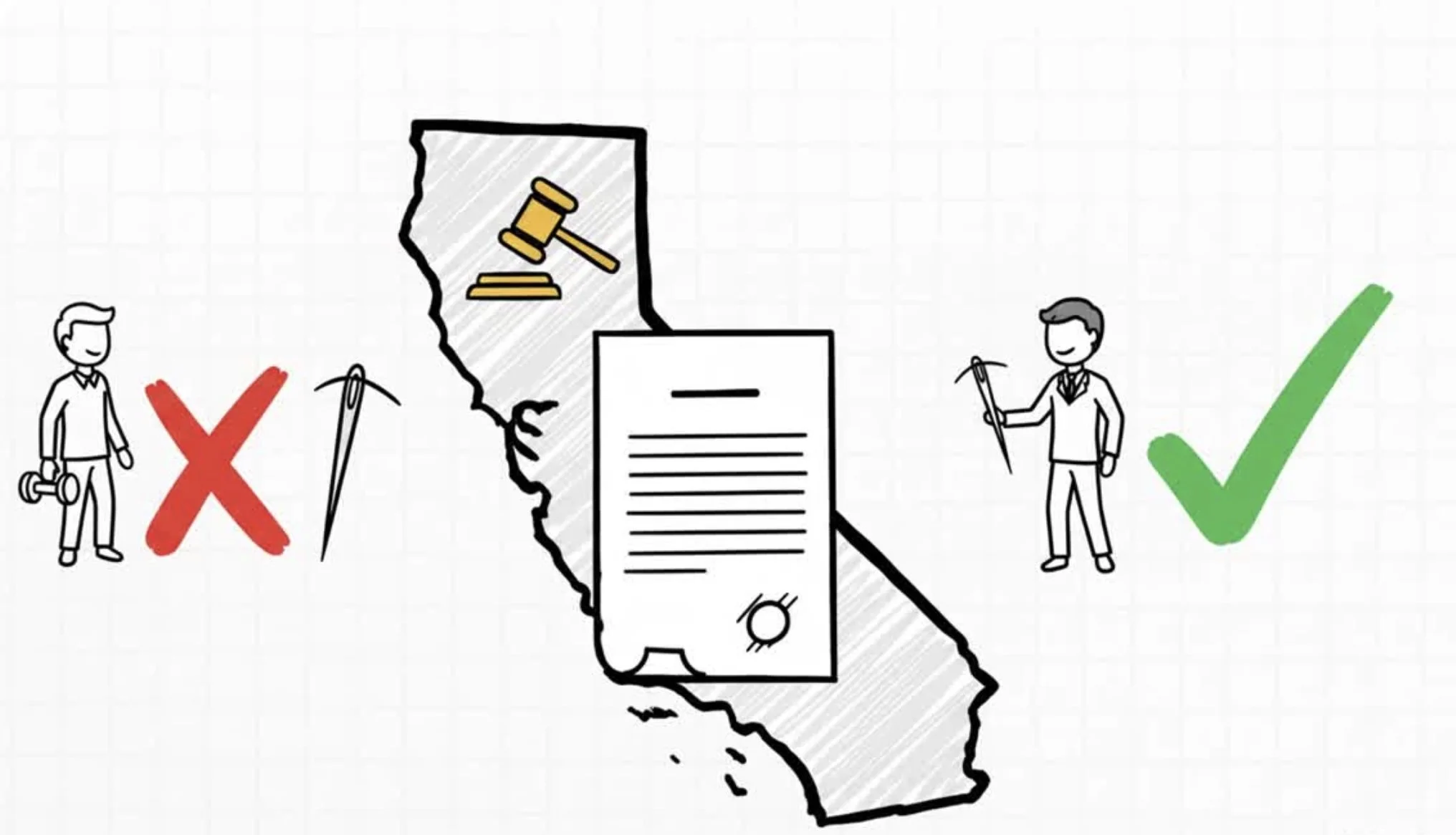
California law is clear: Needle insertion for therapeutic purposes is legally defined as acupuncture - not within PT scope of practice
Only licensed practitioners: Acupuncturists, physicians, dentists, and podiatrists can legally perform needle therapy in California
Training standards matter: California's position protects patient safety by ensuring practitioners have adequate training for techniques that carry real risks (pneumothorax, nerve damage)
Natural collaboration: Physical therapists who recognize the value of trigger point work refer patients to licensed acupuncturists - they're teammates in care, not competitors
If you're a California athlete and someone recommends "dry needling," they're actually recommending acupuncture. This creates better outcomes through professional collaboration.
Making Informed Choices: Questions to Ask [6:07]
Whether you're considering dry needling from a PT (in states where permitted) or comprehensive acupuncture, asking the right questions helps you make informed decisions about your care.
Training transparency: How many hours of needling-specific education do you have? Where did you receive certification?
Scope understanding: Are you just releasing this tight spot, or addressing why it got tight in the first place?
State regulations: What are the legal requirements in my state for performing this technique?
Collaborative approach: Do you work with other practitioners (PT, chiropractor, sports medicine doctor) to provide comprehensive care?
The crucial question: Is this treatment plan chasing the symptom, or designed to address the root cause - the faulty movement pattern, systemic fatigue, and biomechanics creating the problem?
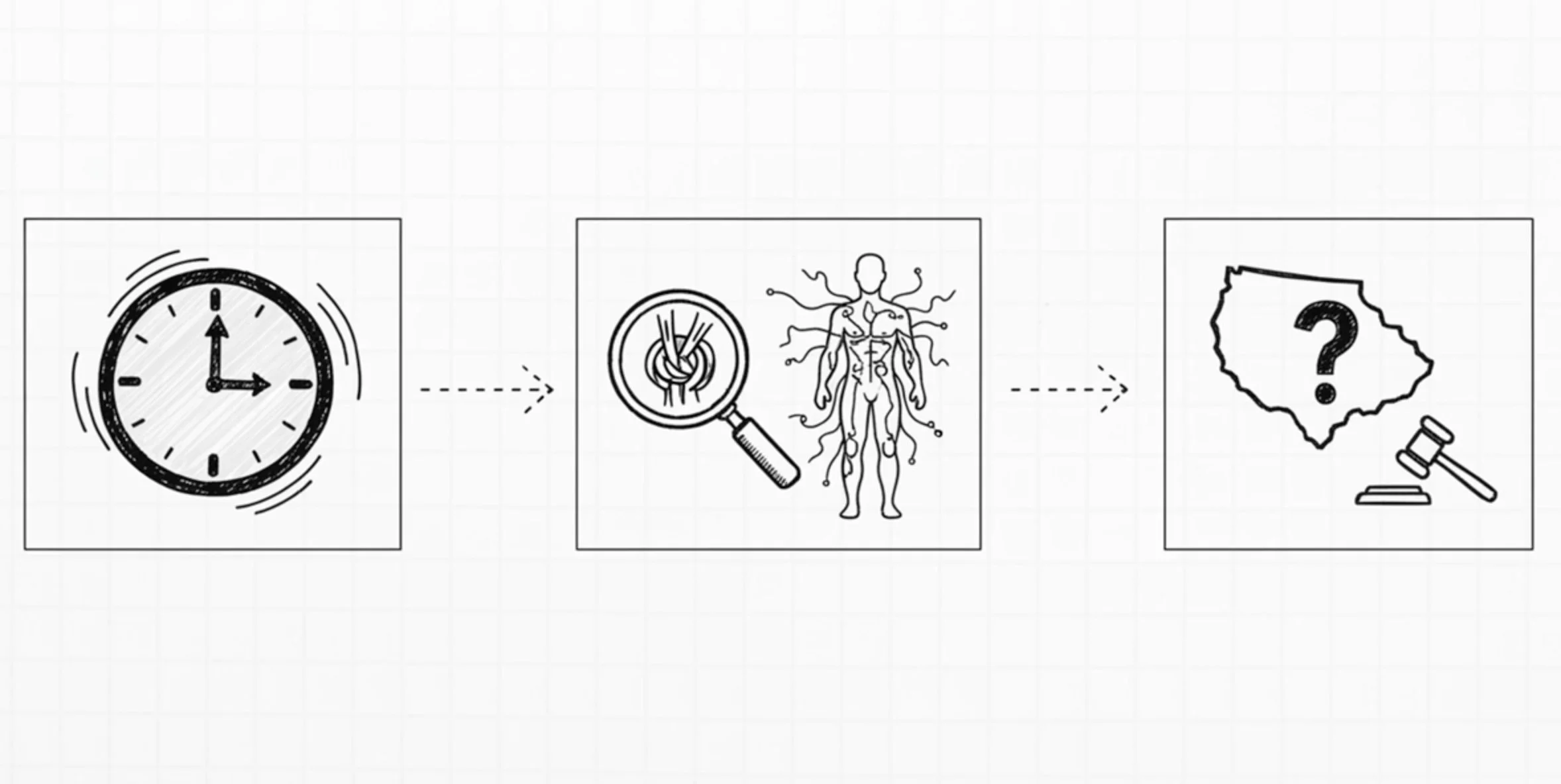
If you're unsure whether trigger point work alone or comprehensive acupuncture treatment would serve you best, I offer complimentary 15-minute assessments where we can discuss your specific situation. In my San Diego practice, I work collaboratively with excellent physical therapists and can help you determine the right approach for your goals.
Dry Needling vs Acupuncture: What's the Difference for Athletes?
Introduction: Unraveling the Confusion for Athletes
As an athlete, when a persistent injury like IT band syndrome or plantar fasciitis sidelines you, you start searching for solutions. Your online research quickly uncovers passionate recommendations for both "dry needling" and "acupuncture." You see videos of practitioners inserting thin needles into the exact same muscles for the exact same condition. The treatments look identical, so the confusion is completely understandable.
If you're in San Diego searching for "dry needling San Diego," you'll discover something interesting: in California, what's called "dry needling" elsewhere is performed by licensed acupuncturists. When you're trying to get back to training, the last thing you need is this kind of ambiguity. The core question—dry needling vs acupuncture—is one I hear constantly in my practice.
Here's what most athletes don't realize: dry needling isn't a separate practice from acupuncture. It's one specific technique, known as trigger point needling, that acupuncturists have been using for over 2,000 years under the name "Ashi point needling." The real difference between dry needling and acupuncture lies not in the needle itself, but in the practitioner's training, the legal scope of practice, and the comprehensiveness of the treatment you receive.
This article gives you clarity so you can make an informed decision. We'll break down the crucial differences and surprising similarities when comparing dry needling vs acupuncture. We'll cover:
The historical connection that unites both practices
Key differences in technique, training, and professional scope
The expanded treatment possibilities of sports medicine acupuncture, including motor points
California's specific regulatory model and how it creates collaborative care
Actionable questions to ask so you can choose the right practitioner
1. The Historical Truth: Why Dry Needling and Acupuncture Are the Same Technique
The debate over terminology is modern, but the technique itself is ancient. Before studying acupuncture, I didn't realize that what Western medicine calls "dry needling" is the same technique acupuncture has used for 2,000 years.
Medical historians have confirmed that ancient Chinese physicians and modern Western doctors independently discovered the same anatomical phenomenon, just centuries apart.
Ancient Chinese Origins
The story begins in ancient China. The Ling Shu (Spiritual Pivot), a foundational medical text from the 1st century BCE, describes a category of acupuncture points discovered through direct palpation of tender areas.
During the Tang Dynasty (618-907 CE), the renowned physician Sun Si-Miao formalized these as "Ashi" points. The name literally translates to "Ah yes!"—reflecting the patient's exclamation when the practitioner presses the exact painful spot. The treatment was direct and effective: needle the tender point to release stagnation and restore function.
Modern Western "Rediscovery"
Fast forward nearly 2,000 years to the 1940s. Dr. Janet Travell, who would later become President Kennedy's White House physician, began researching mysterious patterns of muscle pain. She identified specific, hyperirritable spots in muscles that referred pain to predictable locations and found that directly needling these spots provided relief.
She called them "myofascial trigger points" and spent decades mapping their locations.
Convergent Discovery
This is convergent discovery—two different medical paradigms separated by millennia independently validated the same anatomical and clinical reality. They just explained it through different frameworks.
Ancient physicians described it as "Qi and Blood stagnation" causing a blockage. Modern medicine describes it as "hypersensitive nodules in taut muscle bands" with an accumulation of inflammatory chemicals. Same spots, same needles, same therapeutic effect—different explanations.
The Origin of the Term "Dry Needling"
The term "dry needling" emerged between the 1970s and 1990s as Western medical practitioners like physical therapists and physicians began incorporating this technique. The name was chosen to emphasize a Western anatomical rationale and, crucially, to differentiate the technique from the separately licensed profession of acupuncture.
The unifying truth remains: "dry needling" is trigger point acupuncture—a 2,000-year-old technique given a new name. Understanding this connection helps clarify the dry needling vs acupuncture debate.
2. How the Techniques Differ in Practice: Local Twitch Response vs. Individualized Care
While the core technique is the same, the philosophy and application can differ significantly between dry needling and acupuncture, which impacts your experience as an athlete.
The Traditional Dry Needling Approach
Training courses for dry needling typically emphasize eliciting a Local Twitch Response (LTR)—an involuntary muscle spasm or fasciculation—as essential for successful treatment.
To achieve this, practitioners often use a "pistoning" technique, which involves repeatedly inserting and partially withdrawing the needle to provoke multiple twitches. The philosophy is that the twitch is both diagnostic and therapeutic, indicating the needle has hit the trigger point correctly.
A common side effect of this aggressive technique is significant post-needling soreness, often lasting one to two days. For athletes in a heavy training block, this added soreness can be a major consideration. To learn more about the sensations involved, you can read about what to expect during trigger point needling.
Emerging Research on LTR
Interestingly, recent research has begun to question whether the LTR is truly necessary. A 2017 review published in the Journal of Bodywork and Movement Therapies concluded that eliciting an LTR doesn't correlate with better long-term outcomes for pain or disability.
The review also found that gentler techniques like "needle winding without LTRs" are well-supported and can achieve similar results with significantly less post-treatment soreness.
The Acupuncture Approach
In acupuncture, the primary therapeutic indicator is called "deqi" (pronounced day-chee). This is a sensation of heaviness, tingling, warmth, or a dull ache that indicates the point has been activated. A deqi sensation may or may not include a visible muscle twitch.
The technique is highly individualized—not protocol-driven but based on a thorough assessment of your constitution, the specific condition (acute vs. chronic), and your tolerance.
In my San Diego practice, I might use an aggressive pistoning technique for a stubborn, chronic trigger point in an athlete with high tolerance. More often, however, I use a gentler manipulation to achieve deqi without forcing multiple twitches.
This individualized method typically results in less post-treatment soreness while still achieving powerful therapeutic outcomes, allowing athletes to return to training more comfortably. Everyone's sensitivity differs—some athletes tolerate aggressive fasciculation well, others respond better to gentler approaches. This is a key consideration when weighing dry needling vs acupuncture options.
3. Beyond Trigger Points: The Difference Between Motor Points and Comprehensive Treatment
The most significant difference in scope between dry needling and sports medicine acupuncture lies in what's treated beyond the trigger point. This is where motor points come in—and where the comparison of dry needling vs acupuncture becomes really important for athletes.
What are Trigger Points?
Trigger points are pathological "knots" or dysfunctional areas within a muscle's taut band. They cause both local pain and referred pain to distant areas. Think of a trigger point as a knot tied in a rubber band—it shortens the muscle, restricts its movement, and causes pain.
The goal of trigger point needling is to release this knot.
What are Motor Points?
Motor points are normal, healthy anatomical structures. They're the precise locations where the motor nerve enters the muscle to tell it what to do. Think of a motor point as the muscle's "electrical outlet."
When this connection becomes dysfunctional, a muscle can become underactive (it won't fire properly) or overactive (it won't relax). Research shows that trigger points very often develop at motor point locations, which explains why ancient acupuncture points frequently correspond to both. To truly understand the root cause of dysfunction, it's essential to start by understanding motor points.
Clinical Application: Runner's Knee Example
Let's look at how these different scopes apply to a common running injury like patellofemoral pain syndrome (runner's knee). Not all runner's knee is the same—your specific pattern determines whether you need just trigger point work or comprehensive motor point retraining.
A Dry Needling Approach
A practitioner focused solely on dry needling would target and release the trigger points in the muscles contributing to knee pain. This would likely include the IT band, the vastus lateralis (VL), and the tensor fasciae latae (TFL). This is effective for reducing muscular tension.
A Sports Medicine Acupuncture Approach
A sports medicine acupuncturist in San Diego provides a more comprehensive treatment that includes the same trigger point work PLUS several other layers:
Motor Point Component: We don't only release tight muscles—we also retrain the dysfunctional neuromuscular pattern. This involves activating the underactive VMO (vastus medialis oblique) motor point to improve patellar tracking and calming the overactive VL motor point.
Often using gentle electrical stimulation (e-stim), this targeted work retrains the firing pattern at the source, performing crucial neuromuscular re-education. This allows for truly comprehensive acupuncture treatment for runner's knee.
Channel Balancing Component: We also address the entire fascial pathway involved. For IT band and lateral knee pain, this means treating the Gallbladder channel to address the root imbalance causing the lateral tension. For medial knee weakness, we support the Spleen channel. This is about treating why the trigger point developed in the first place.
Constitutional Component: For athletes, injuries are often linked to systemic issues like fatigue, poor sleep, or high stress. A comprehensive treatment includes points to support overall recovery, improve sleep, and manage stress, helping your body heal more effectively.
I explain the relationship between dry needling and acupuncture in more detail in this video, including the historical connection, training differences, and how motor points differentiate comprehensive treatment:
[INSERT YOUTUBE VIDEO HERE]
4. Training Standards: A Look at Professional Scope and Expertise
The difference in training and core competency between practitioners is one of the most important factors for athletes to consider when evaluating dry needling vs acupuncture. Different training doesn't mean better or worse—it means different specialization and scope.
Licensed Acupuncturists
We complete a 3- to 4-year master's or doctoral degree with 2,000-3,000+ hours of education and clinical training. Comprehensive and safe needling is our core competency from day one.
Many of us, like myself, go on to complete post-graduate specialization in sports medicine acupuncture, which can add another 250+ hours of focused training on orthopedic conditions and motor point therapy.
Physical Therapists
A physical therapist earns a Doctorate in Physical Therapy (DPT), making them an expert in movement, biomechanics, and rehabilitation—this is their core competency.
In states where it's permitted, dry needling is a post-graduate skill learned through continuing education, typically involving 24-80 hours of training. It's one tool added to their primary expertise.
Other Practitioners
Chiropractors or physicians may add acupuncture or dry needling to their practice through certifications that typically range from 100-300 hours.
The Key Takeaway
The key is the difference in primary focus. For an acupuncturist, needling is the expertise we've spent years mastering. For other highly skilled professionals, it's one tool added to their existing expertise.
The right practitioner depends on your specific condition and needs. Recognizing this distinction, the American Medical Association (AMA) adopted a policy in 2016 stating that non-physician practitioners of dry needling should meet training standards similar to those for acupuncture to ensure patient safety.
5. California's Model: How Regulation Creates Collaborative Care
Here in San Diego and throughout California, the regulatory landscape provides a clear model for patient safety and professional collaboration. This is particularly important for athletes searching for "dry needling San Diego" or comparing dry needling vs acupuncture options.
California's Legal Position
The law states that the insertion of a needle into the body for therapeutic purposes is legally defined as acupuncture. The California Physical Therapy Board determined that the definition of dry needling mirrors the state's legal definition of acupuncture.
Therefore, it's not within the scope of practice for physical therapists or chiropractors and requires a state-issued acupuncture license. This position is based on public safety concerns, as needling carries risks like pneumothorax (collapsed lung) or nerve damage if performed without sufficient anatomical training.
The FDA supports this, classifying acupuncture needles as Class II medical devices restricted to qualified practitioners.
Collaboration Instead of Competition
Instead of creating competition, this regulation fosters a natural, collaborative environment. In my San Diego acupuncture practice, some of my best patient outcomes happen when I'm working as part of a team.
Here's a real-world example:
A marathon runner came to me with debilitating IT band pain. She was already working with an excellent physical therapist who was doing brilliant work on her glute med/max strength, single-leg stability, and running gait.
Recognizing that stubborn trigger points were hindering progress, the PT referred her to me, as the licensed specialist for needle therapy in California.
While the PT continued to manage the biomechanics, I provided comprehensive sports medicine acupuncture. This included:
Trigger Point Release: Releasing knots in the IT band and TFL.
Motor Point Retraining: Using e-stim to activate her inhibited VMO motor point and calm her overactive VL motor point.
Channel Balancing: Treating the Gallbladder channel to address the lateral tension and the Spleen channel to address the underlying weakness.
Constitutional Support: My assessment (tongue and pulse) revealed a pattern of Spleen Qi deficiency, which explained her training-induced fatigue and poor sleep. We added points to support her overall recovery and energy.
Throughout the process, her PT and I were in communication. The result? Her IT band healed completely, her sleep improved dramatically, and she went on to run her goal race, setting an 8-minute personal record.
We were teammates in her care, and neither one of us could have achieved that outcome alone. This athlete's outcome was unique to her situation—everyone's timeline and response varies. This is the power of a true collaborative care model.
The National Landscape
While 37 states and D.C. permit physical therapists to perform dry needling with varying training requirements, 6 states (including California) do not. This national patchwork is why the dry needling vs acupuncture topic is so confusing for athletes.
In San Diego, this collaborative model means when athletes search for dry needling, they're actually finding sports medicine acupuncture providers who can offer comprehensive treatment that includes trigger point work plus motor point retraining and systemic support.
6. Making an Informed Choice: Questions to Ask Your Practitioner
To ensure you receive safe and effective care, you should feel empowered to ask questions of any practitioner offering needle therapy, regardless of their professional title. Whether you're comparing dry needling and acupuncture or looking for trigger point acupuncture in San Diego, these questions help you make informed decisions.
Actionable Questions to Ask:
What is your training in this specific technique? How many hours of needle-specific education have you completed?
Where did you receive your certification, and can I verify your license online?
Is your goal just releasing this muscle knot, or are you also addressing the underlying reason it became tight?
What are the legal requirements for this practice in my state?
Do you work collaboratively with other practitioners like physical therapists or acupuncturists?
When to Choose Each Approach:
When Dry Needling from a PT (in permitted states) might be enough: For a simple, acute muscle strain with a clear biomechanical cause that's already responding well to movement-based therapy.
When Comprehensive Acupuncture may serve better: For chronic or recurring conditions, injuries with systemic symptoms (like fatigue, poor sleep, or stress), or when the root cause of the problem is unclear.
When BOTH (Collaborative Care) is ideal: For complex injuries where you want the fastest, most comprehensive recovery. This combines the movement and rehabilitation expertise of a PT with the comprehensive needling and systemic support of a sports medicine acupuncturist.
Red Flags to Watch For:
Being vague or dismissive about their training hours and credentials
Being unable to verify their license or certification
Promising guaranteed results or a specific number of sessions for a cure
-
In California, you'll see a licensed acupuncturist for trigger point needling (what's called 'dry needling' in other states). California law defines needle insertion for therapeutic purposes as acupuncture, requiring specific licensure. This isn't a limitation—it's actually an advantage. You're getting the same trigger point work you'd receive elsewhere, plus comprehensive treatment including motor point retraining and systemic support. Physical therapists who recognize the value of trigger point work refer their patients to licensed acupuncturists, creating collaborative care that serves athletes better.
-
It depends on the technique used. Traditional dry needling training emphasizes aggressive 'pistoning' to elicit muscle twitches, which often causes significant post-treatment soreness lasting 1-2 days. Acupuncture uses an individualized approach—sometimes including fasciculation for stubborn trigger points, but often using gentler techniques that achieve similar results with less soreness. Recent research shows the muscle twitch isn't necessary for therapeutic benefit. Everyone's sensitivity differs, so the 'pain' level depends more on the practitioner's technique and your individual tolerance than the name of the treatment.
-
Results timing is similar whether you call it dry needling or acupuncture—both provide trigger point release. Many athletes feel immediate relief after the first session, though 2-3 treatments typically produce the most noticeable improvement. What differs is comprehensive acupuncture's ability to address root causes, not just symptoms. For example, releasing IT band trigger points provides quick relief, but retraining VMO motor points and addressing systemic fatigue creates lasting change. Everyone's timeline varies based on chronicity, training load, and individual healing capacity. Your specific situation determines the treatment approach and timeline.
-
Absolutely—in fact, this collaborative approach often produces the best outcomes. In my San Diego practice, many of my most successful cases involve coordinating with the athlete's physical therapist. The PT handles movement analysis, exercise prescription, and biomechanical corrections, while I provide comprehensive needling, motor point retraining, and systemic support. We're teammates working toward your complete recovery. In California, this collaboration is built into the system since PTs refer to acupuncturists for trigger point work. You don't have to choose one or the other—both professions bring valuable expertise.
-
Dry needling and trigger point acupuncture use solid filament needles without injecting anything—hence 'dry.' Trigger point injections use hollow hypodermic needles to inject substances like lidocaine or cortisone into the trigger point. The injection provides immediate numbing but doesn't address the neuromuscular dysfunction. Dry needling/acupuncture stimulates the body's natural healing response, releases fascial restrictions, and can retrain motor patterns. Research shows dry needling is equally effective without the medication side effects. Trigger point injections are typically performed by physicians, while dry needling in California is performed by licensed acupuncturists.
-
Post-treatment soreness varies based on technique and your individual sensitivity. Traditional dry needling with aggressive pistoning often causes DOMS-like soreness lasting 1-2 days. Acupuncture's individualized approach typically produces less soreness while achieving the same therapeutic benefit. Some athletes feel nothing, others experience mild achiness similar to a good workout. The soreness (if present) indicates tissue is responding and healing. In my practice, I adjust technique based on your tolerance and training schedule—if you have a long run tomorrow, I use gentler manipulation. Everyone responds differently.
-
Proper assessment reveals this. If your injury keeps recurring despite rest and stretching, motor point dysfunction is likely involved. Signs include: muscles that won't activate properly (like VMO in runner's knee), chronic tightness that returns immediately after foam rolling, or biomechanical issues your PT identifies. Trigger point release addresses the 'knot'—motor point work retrains why the knot keeps forming. During your assessment, I'll test muscle activation patterns, check for compensation, and determine whether you need just local release or comprehensive neuromuscular retraining. The best way to know is through proper evaluation.
Conclusion: It's About Scope, Training, and What Your Body Needs
Let's circle back to the core truth: "dry needling" is a modern name for a 2,000-year-old acupuncture technique called Ashi point needling. Both ancient Chinese physicians and modern Western doctors discovered the same anatomical reality.
The primary difference when comparing dry needling vs acupuncture today is not the needle, but the practitioner's depth of training and the scope of the treatment provided.
In California, the regulatory model protects patient safety and fosters an environment of effective collaboration between professions, which ultimately serves athletes best. Whether you're searching for "dry needling vs acupuncture" or "sports medicine acupuncture San Diego," understanding these scope and training differences helps you make the right choice.
Some athletes may only need localized trigger point release to get back on track. Others, particularly those with chronic injuries or high training loads, require a comprehensive, systemic approach to truly heal and prevent recurrence.
The question isn't who's better—it's what does your body need and who's trained to provide it comprehensively. You can now choose a path based on your specific condition, your goals, and what your body truly needs to perform at its best.
If you're in San Diego and uncertain whether trigger point work alone or comprehensive sports medicine acupuncture would serve you best, a proper assessment is the first step. Because needle therapy here requires a licensed acupuncturist, I work collaboratively with many of the area's best physical therapists to ensure athletes get complete care.
I offer a complimentary 15-minute assessment to help you determine the right approach for your unique situation—whether you need comprehensive acupuncture, PT-focused care, or both working together.
Attribution
This content was created with AI assistance (Claude AI & Google NotebookLM) and inspired by comprehensive research on dry needling vs. acupuncture, including California regulatory frameworks (California Business and Professions Code), professional position statements (AACMA, CSOMA, AMA), historical documentation of Ashi point treatment in Traditional Chinese Medicine, Dr. Janet Travell's trigger point research, and clinical collaboration models in sports medicine. All clinical insights and Eastern medicine perspectives are from Michael Cohen, LAc, practicing sports medicine acupuncture in San Diego at Funktion Acupuncture.